

A...
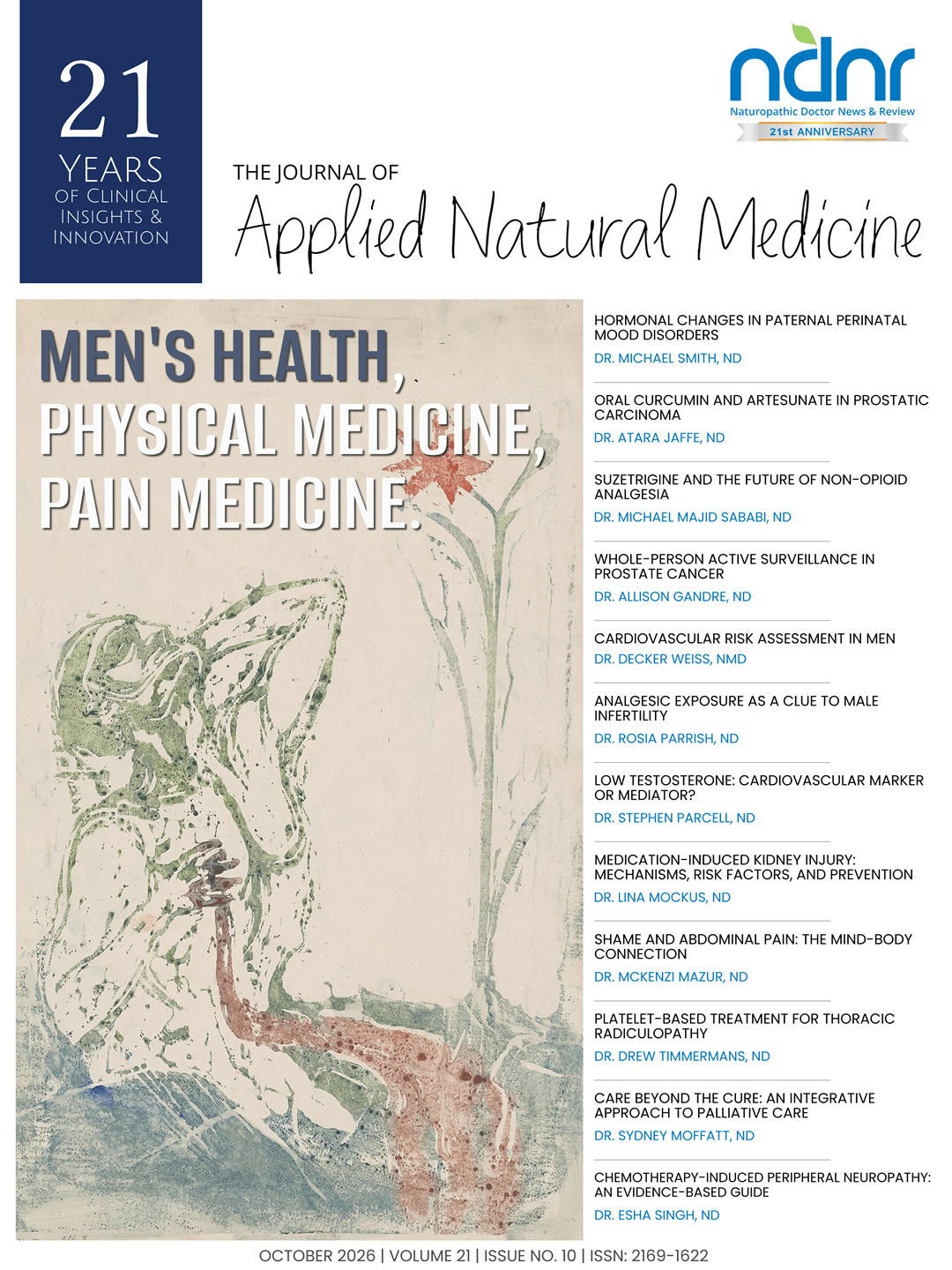
Chemotherapy-Induced Peripheral Neuropathy: An Evidence-Based Guide for Naturopathic Physicians
read more
A recent new study significantly calls into question the current safe limits on alcohol consumption. It shows that the current recommendations on alcohol safety limits may be a bit high, and that consuming as little as 10 drinks per week may reduce life expectancy.1
Currently, the CDC and other health organizations list 1 drink per day for woman, and 2 drinks per day for men, with a weekly total corresponding to 7 and 14 respectively, as being a safe, low risk level of alcohol consumption. These levels are lower for individuals over the age of 65.
The current study, led by Professor Bu Yeap, from the University of Washington concludes that a more reasonable safety level may be 10 standard drinks – which may not change recommendations for women much. A standard drink is considered 12 ounces of beer, 4 ounces of wine or 1.5 ounces of 80-proof spirits.
The study looked at data from 600,000 drinkers from 19 countries for almost 50 years in some cases. The results found that consuming over 100 grams of pure alcohol – 100 grams of pure alcohol is roughly 10 standard drinks – per week lowers life expectancy. A forty-year old man drinking 10-20 drinks per week shortens life expectancy by 6 months. This is drastically increased to a life expectancy 4-5 years shorter in individuals who drink over 35 drinks per week.
Various factors contribute to the safe limits of alcohol for each individual, such as age, gender, body weight, medications, and rate of consumption. However, it is likely true that “less is better,” according to the authors of the study.
In considering drinking habits of oneself or clients/patients it is important to understand that research on alcohol, and safety levels assume a standard drink of 1.5 oz of 80-proof spirits, not 100-proof, 4 oz of wine, not a 6-8 oz tumbler, and 12 oz of 5% beer. With the increase in popularity of microbrewed beer, this category may cause the most confusion and misbelief that current drinking habits of an individual are safe. For instance, many microbrews, especially from a brewery can range in alcohol content from 6.5% – 9% alcohol (or even more). At 6.5%, a pint of beer is equal to 1.7 standard drinks, meaning that 2 beers a night would put someone at 23 drinks per week. However, at 9%, a pint of beer is equal to about 2.5 drinks, meaning that drinking 2 per night not only puts an individual over the 35 per week amount, but also well over 2 drinks per day level. Wine is also an easy drink to over measure when pouring, especially when at home; 4 ounces isn’t a whole lot, and typically comes up to about ⅓ or ½ of a normal wine goblet.
Photo by Kelsey Chance on Unsplash
 Node Smith, ND, is a naturopathic physician in Portland, OR and associate editor for NDNR. He has been instrumental in maintaining a firm connection to the philosophy and heritage of naturopathic medicine among the next generation of docs. He helped found the first multi-generational experiential retreat, which brings elders, alumni, and students together for a weekend camp-out where naturopathic medicine and medical philosophy are experienced in nature. Four years ago he helped found the non-profit, Association for Naturopathic ReVitalization (ANR), for which he serves as the board chairman. ANR has a mission to inspire health practitioners to embody the naturopathic principles through experiential education. Node also has a firm belief that the next era of naturopathic medicine will see a resurgence of in-patient facilities which use fasting, earthing, hydrotherapy and homeopathy to bring people back from chronic diseases of modern living; he is involved in numerous conversations and projects to bring about this vision.