

A...
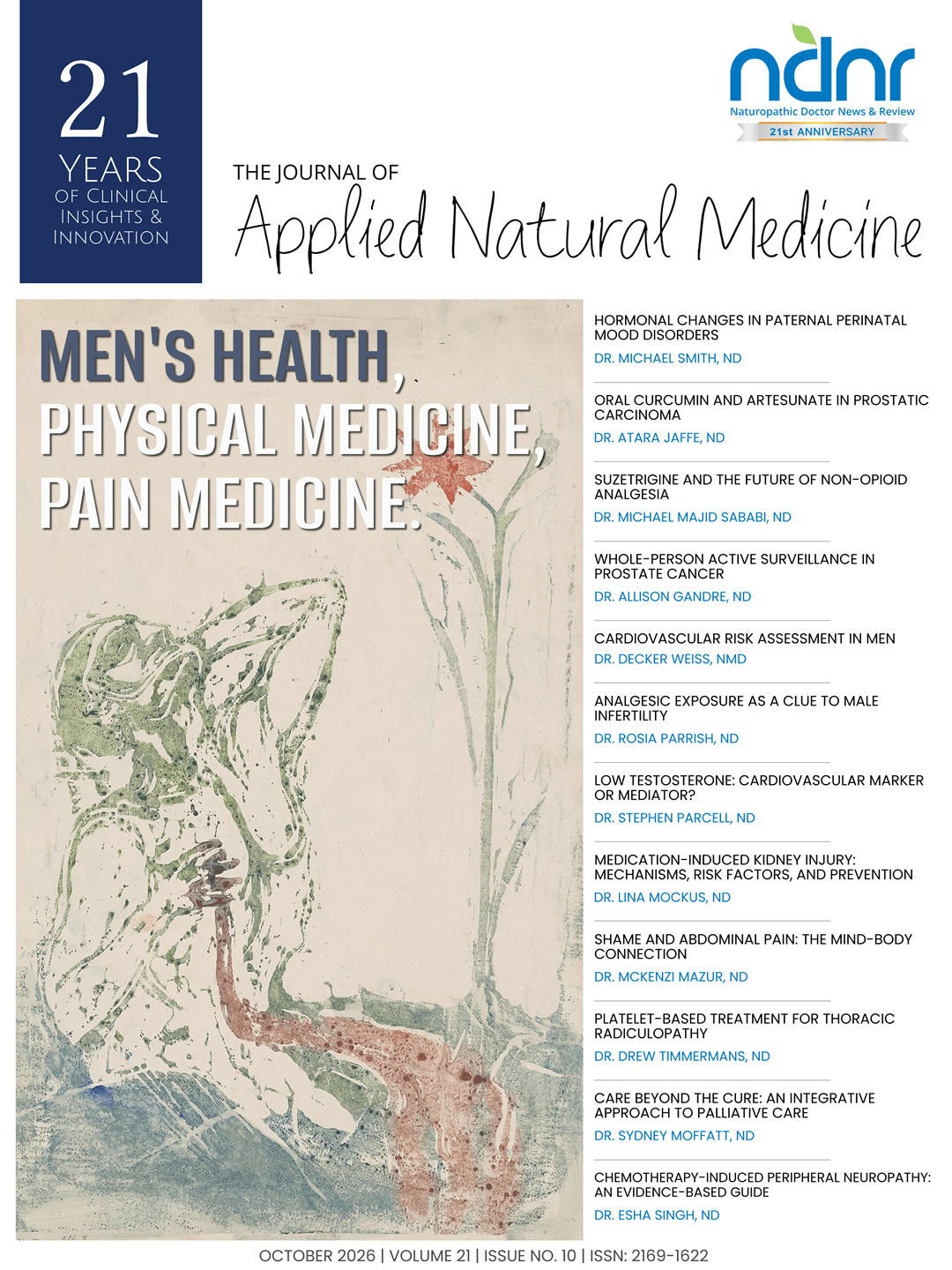
Chemotherapy-Induced Peripheral Neuropathy: An Evidence-Based Guide for Naturopathic Physicians
read more
It is becoming increasingly accepted within medicine that inflammation is an underlying driver of many of the chronic diseases plagued by our society today. Diabetes is no different, though the mechanism by which inflammation impacts insulin resistance has yet to be fully flushed out, until now. Recent research from the University of Maryland School of Medicine has uncovered the molecular mechanism by which inflammation impacts insulin sensitivity.1
The research started by looking at 2 molecules, Insulin Receptor Substrate-1 and 2 (IRS-1 and IRS-2). Their role is to transmit signals from insulin receptors to other intracellular pathways. Since insulin does more than just uptake glucose, some of these other pathways (functions) include synthesizing fat and muscle growth. The fact that insulin does more than merely break down glucose is part of the reason why diabetics have so many problems.
It appears that there is an enzyme, Interleukin-1 receptor-associated kinase 1 (IRAK1) that is a key player in all of this. It is well known that inflammation activates the IRAK1 gene. The current research study found that this enzyme in turn blocks insulin signaling by blocking IRS-1. By inhibiting the signaling of IRS-1, glucose metabolism is significantly reduced in muscle. The thought is that this will give a molecular focus to developing more drugs to help in the treatment of diabetes.
Currently, it is estimated that 30 million people in America have diabetes. It is the 7th leading cause of death in the U.S. – roughly 80,000 deaths are directly related to this disease. It exists as an underlying or contributing cause of roughly 250,000 deaths, and the total cost annually is estimated at 250 billion dollars. Nearly all of this data is for type 2 diabetes.
Source
 Node Smith, ND, is a naturopathic physician in Portland, OR and associate editor for NDNR. He has been instrumental in maintaining a firm connection to the philosophy and heritage of naturopathic medicine among the next generation of docs. He helped found the first multi-generational experiential retreat, which brings elders, alumni, and students together for a weekend camp-out where naturopathic medicine and medical philosophy are experienced in nature. Four years ago he helped found the non-profit, Association for Naturopathic ReVitalization (ANR), for which he serves as the board chairman. ANR has a mission to inspire health practitioners to embody the naturopathic principles through experiential education. Node also has a firm belief that the next era of naturopathic medicine will see a resurgence of in-patient facilities which use fasting, earthing, hydrotherapy and homeopathy to bring people back from chronic diseases of modern living; he is involved in numerous conversations and projects to bring about this vision.