

A...
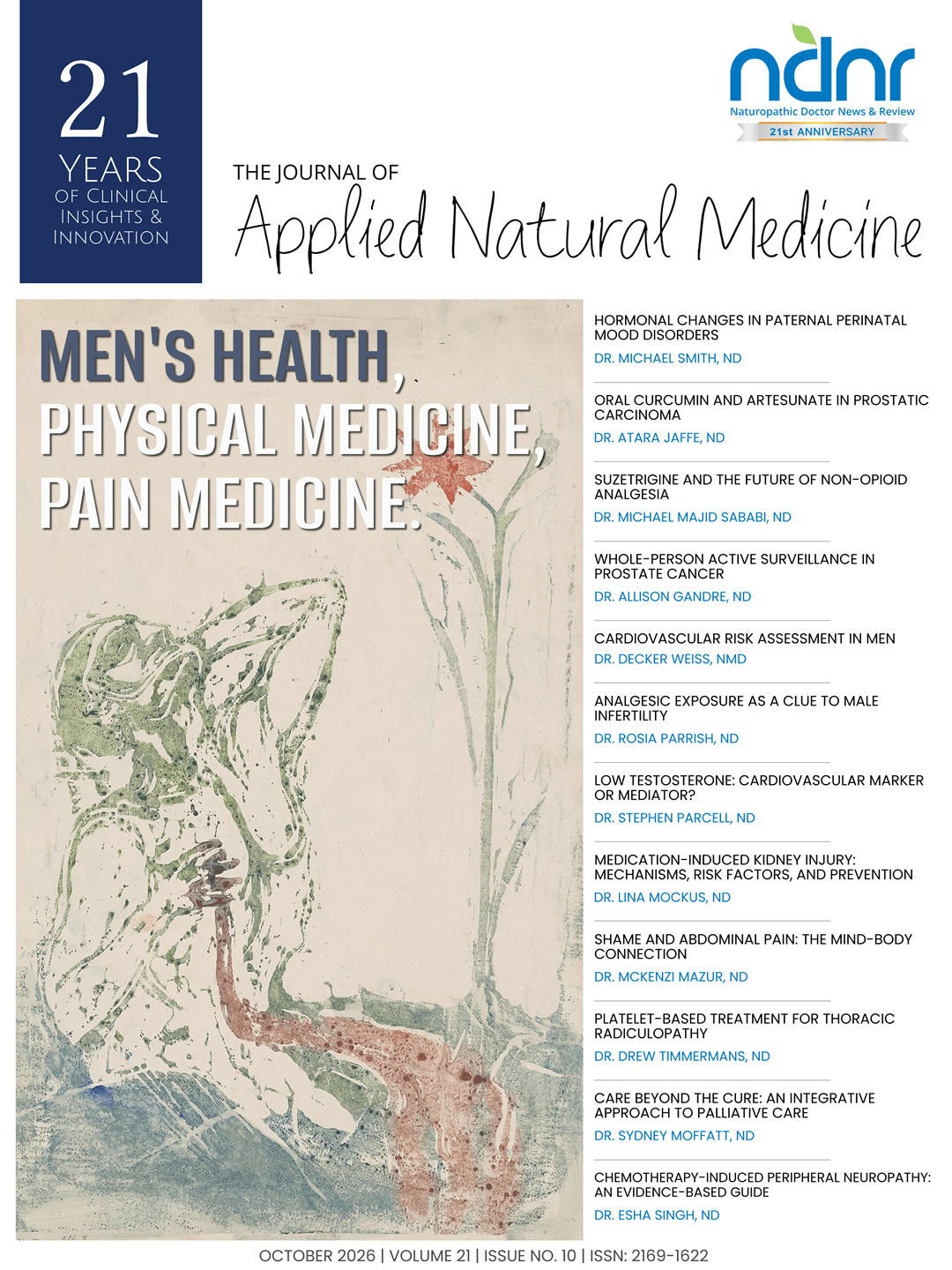
Chemotherapy-Induced Peripheral Neuropathy: An Evidence-Based Guide for Naturopathic Physicians
read more
According to a study out of the Brigham and Women’s Hospital, through a prospective study of U.S. men, investigators have found that measuring PSA levels in younger men (between the ages of 40 and 59) could accurately predict future risk of lethal prostate cancer later in life. Their findings suggest that screening PSA levels in men at mid-life may help identify those who are at greater risk and should be monitored more closely.
Prostate cancer screening with prostate-specific antigen (PSA) has been shown to reduce death and the spread of prostate cancer to other parts of the body, but the PSA test remains highly controversial as it frequently leads to over diagnosis and over treatment of men who may not be at risk.
“We found a single baseline PSA-level measurement during midlife could accurately predict future risk of lethal prostate cancer,” said one of the co-lead authors. “These data identify subgroups of men, based on their PSA levels at a given age, who could benefit from screening intervals tailored to their actual magnitude of risk.”
The data came from a 30-year study using 234 men who were diagnosed with prostate cancer, including 60 who developed lethal prostate cancer and 711 controls, all between 40 and 59 years of age at the start of the trial.
The results of the study were that this single, baseline PSA level measured at midlife could accurately predict future risk of prostate cancer: Of the lethal prostate cancer events, 82 percent, 71 percent and 86 occurred in men with a baseline PSA above the median at ages 40-49, 50-54 and 55-59, respectively. Additionally, men who had a PSA below median (<1.0 ng/ml) at age 60 were unlikely to develop lethal prostate cancer in the future.
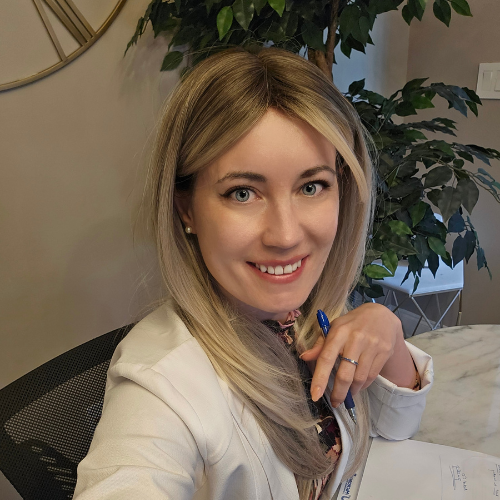
 Razi Berry, Founder and Publisher of Naturopathic Doctor News & Review (ndnr.com) and NaturalPath (thenatpath.com), has spent the last decade as a natural medicine advocate and marketing whiz. She has galvanized and supported the naturopathic community, bringing a higher quality of healthcare to millions of North Americans through her publications. A self-proclaimed health-food junkie and mother of two; she loves all things nature, is obsessed with organic gardening, growing fruit trees (not easy in Phoenix), laughing until she snorts, and homeschooling. She is a little bit crunchy and yes, that is her real name.