

A...
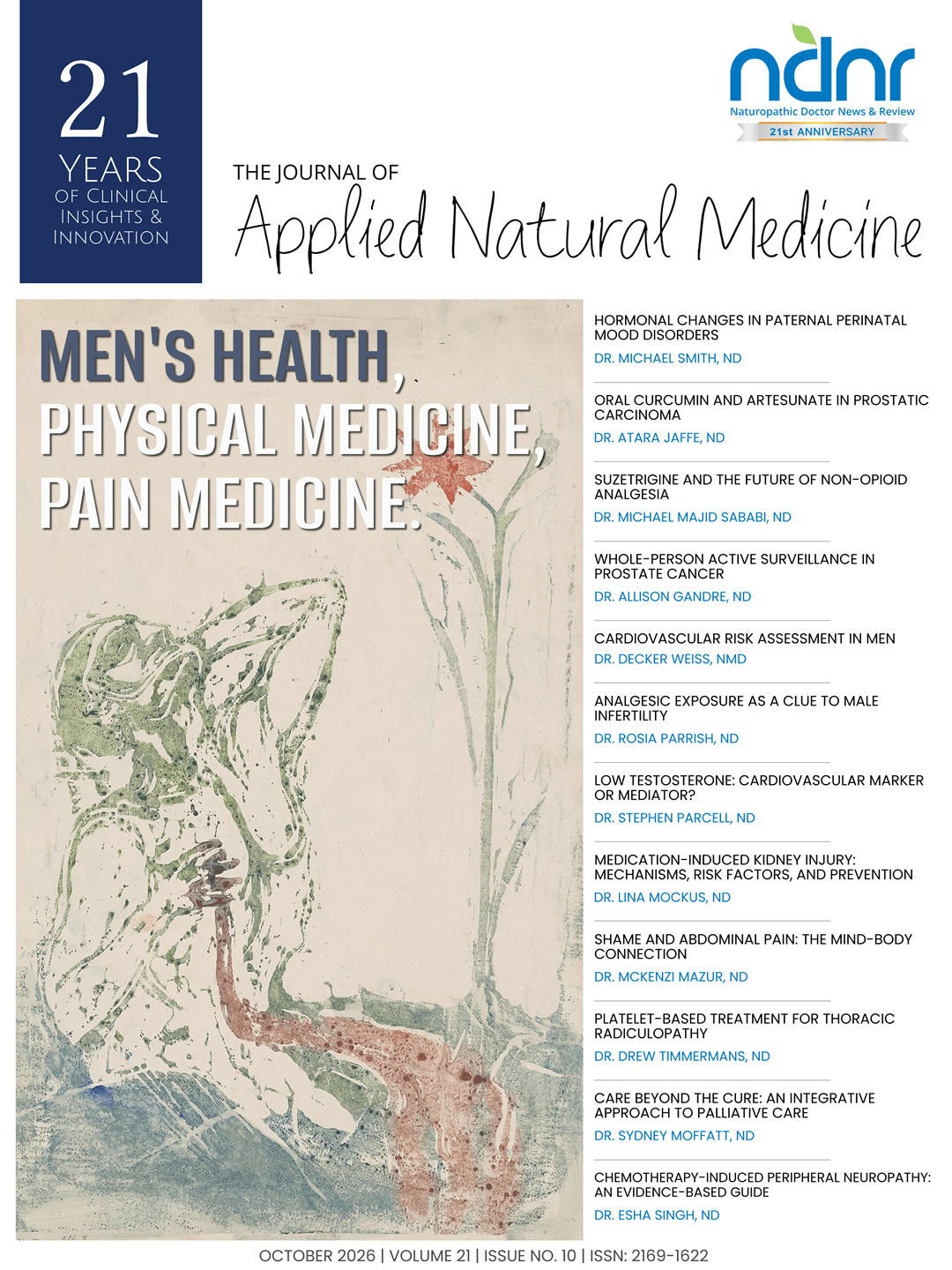
Chemotherapy-Induced Peripheral Neuropathy: An Evidence-Based Guide for Naturopathic Physicians
read more
According to a study out of the Research Society on Alcoholism, underage drinking is a major public health and social problem in the U.S. and the ability to identify at-risk kids is immensely important. The researchers identified demographic factors, cognitive functioning, and brain features during the early-adolescence ages of 12 to 14 years that can predict which youth eventually initiate alcohol use during later adolescence around the age of 18.
“We were able to predict, with 74 percent accuracy, which 12- to 14-year-old youth eventually went on to engage in alcohol use by late adolescence,” said one of the researchers. “Neural features appear to be important predictors. While we are not at the point where we can scan every child’s brain and know if they will or will not begin using alcohol, this is an important step in understanding brain features that contribute to alcohol use during adolescence.
The study included 137 healthy adolescents free of a history of alcohol or drugs through the Youth at Risk study. These participants were extensively interviewed and underwent neuropsychological testing, and structural and functional magnetic resonance imaging. By age 18, 70 of the participants (51 percent) had initiated heavy alcohol use and 67 percent had remained non-users.
“Demographic factors that predict adolescent drinking include being male, coming from a higher socioeconomic status – which means coming from families with more money and education, dating by age 14, and positive expectations of how alcohol is going to make you feel and behave, particularly in social situations,” said one researcher. She went on to elaborate that, “poorer performance on tests of executive functioning – for example, on tasks of planning, problem solving, and reasoning – as well as differences in the structure and function of the brain during executive function tasks at ages 12 to 14, are also predictive of which youth initiate alcohol use by age 18.”
These are important predictors of adolescent alcohol use and everyone should be on the lookout for these risk factors.
 Razi Berry, Founder and Publisher of Naturopathic Doctor News & Review (ndnr.com) and NaturalPath (thenatpath.com), has spent the last decade as a natural medicine advocate and marketing whiz. She has galvanized and supported the naturopathic community, bringing a higher quality of healthcare to millions of North Americans through her publications. A self-proclaimed health-food junkie and mother of two; she loves all things nature, is obsessed with organic gardening, growing fruit trees (not easy in Phoenix), laughing until she snorts, and homeschooling. She is a little bit crunchy and yes, that is her real name.