

A...
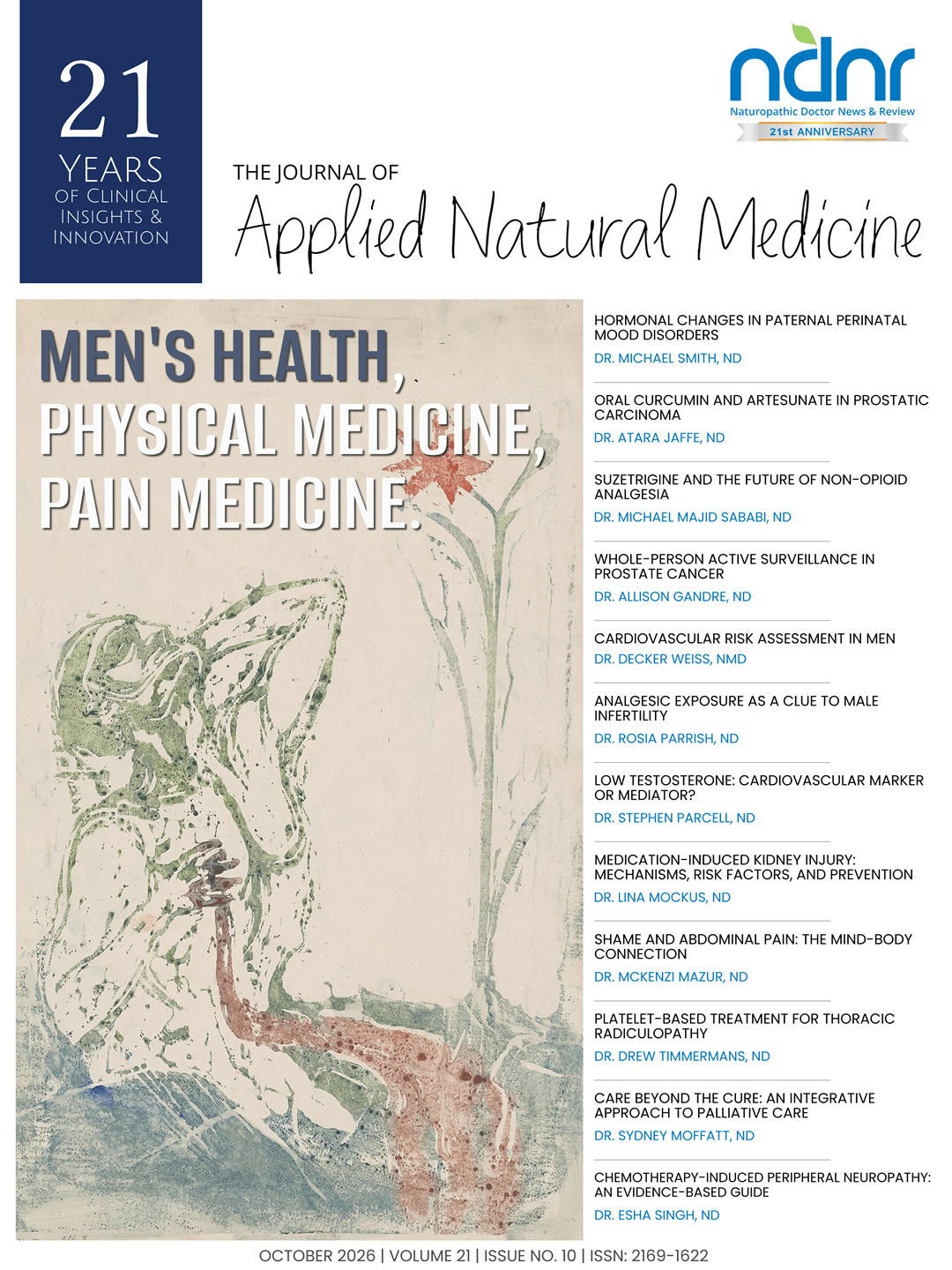
Chemotherapy-Induced Peripheral Neuropathy: An Evidence-Based Guide for Naturopathic Physicians
read more
A meta-analysis of 3 randomly controlled trials recently concluded that zinc acetate lozenges are likely to increase the rate of recovery from the common cold up to 3 times.1 The common cold is a collection of respiratory and sinus symptoms which most everyone is familiar with, and being caused by a virus, there isn’t a definitive treatment for it. It typically just needs to “run its course.” Zinc supplementation, as well as other minerals, vitamins, botanicals, and home remedies have long been used in an attempt to shorten the duration of the common cold. This research reminds us one such method, which is easy to use, and readily available at most drug stores.
Zinc acetate lozenges were found to be 43% more effective than placebo at diminishing symptoms by the fifth day of cold. The effects of zinc lozenges were not found to be changed with age, sex, race, allergy, or baseline cold severity. The dose used in the studies were between 80 and 92 mg/day. This is a fairly high dose, but in other controlled studies, zinc has been given at doses of 100 – 150 mg/day2 for months without adverse effects. However, prolonged zinc supplementation may necessitate copper supplementation.3 Because the dose of zinc acetate is quite high, some readily available products may not have the amount of zinc necessary to get a medical benefit.
The conclusion of the review is that given the low likelihood of adverse effects and strong evidence of efficacy, individuals suffering from the common cold should be encouraged to try zinc acetate lozenges.
Sources
 Node Smith, associate editor for NDNR, is a fifth year naturopathic medical student at NUNM, where he has been instrumental in maintaining a firm connection to the philosophy and heritage of naturopathic medicine amongst the next generation of docs. He helped found the first multi-generational experiential retreat, which brings elders, alumni, and students together for a weekend campout where naturopathic medicine and medical philosophy are experienced in nature. Three years ago he helped found the non-profit, Association for Naturopathic ReVitalization (ANR), for which he serves as the board chairman. ANR has a mission to inspire health practitioners to embody the naturopathic principles through experiential education. Node also has a firm belief that the next era of naturopathic medicine will see a resurgence of in-patient facilities which use fasting, earthing, hydrotherapy and homeopathy to bring people back from chronic diseases of modern living; he is involved in numerous conversations and projects to bring about this vision.