

A...
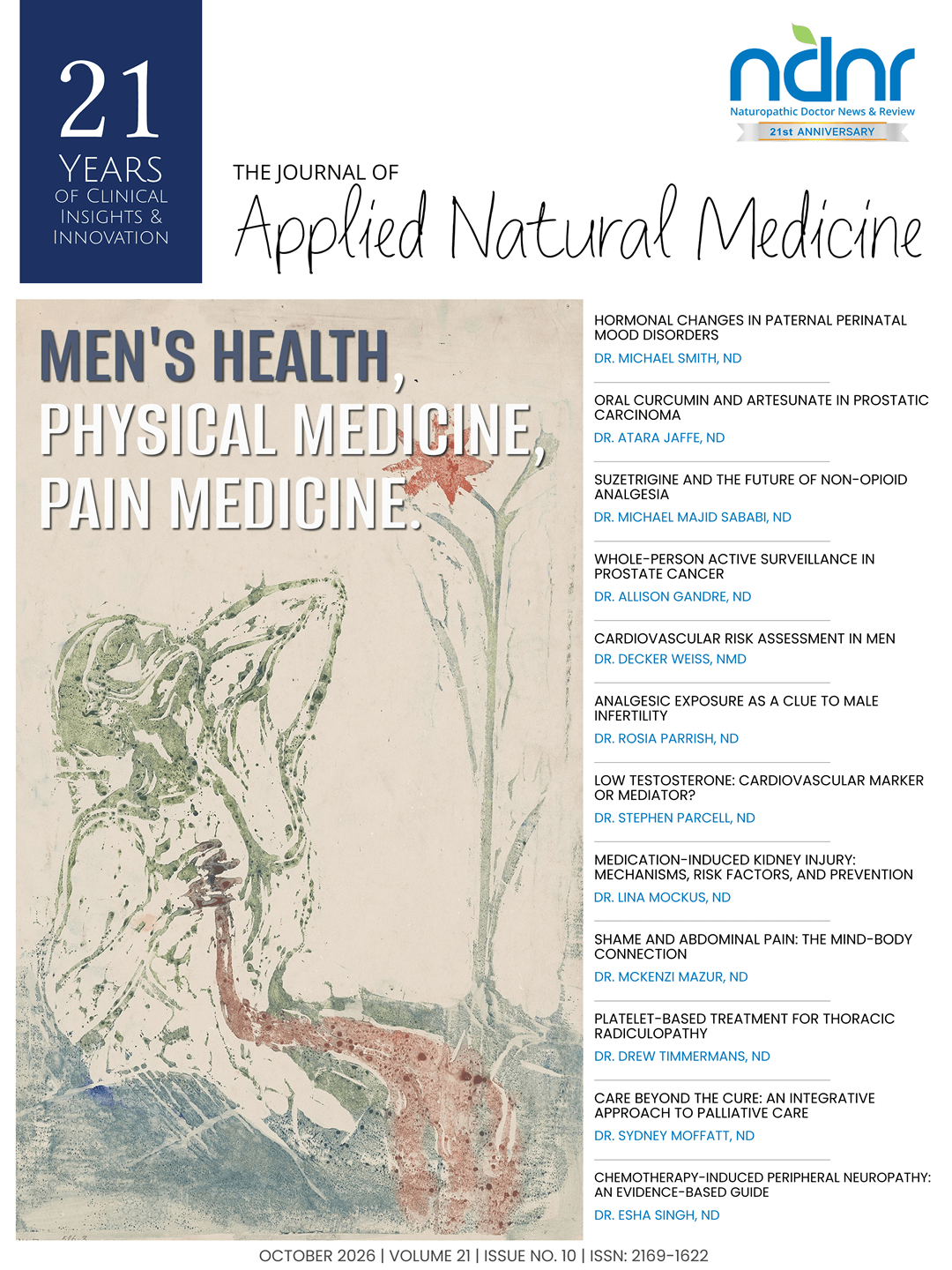
Chemotherapy-Induced Peripheral Neuropathy: An Evidence-Based Guide for Naturopathic Physicians
read more

A four-year pediatric case explores recurrent gastrointestinal symptoms, food sensitivities, and Klebsiella-associated dysbiosis while highlighting the challenges of parental decision-making, fragmented treatment, and screening for underlying inflammatory bowel disease.
This a patient I have seen off and on for the last 4 years. She first came to me as a moody 10-month-old who had constipation, reflux, congestion and frequent wake ups at night. Eczema was more recent as she was starting foods. Mom came in to talk about food intolerances and had already observed several by trial and error. While breastfeeding, mom discovered that when she stopped eating eggs, the child’s GERD went away and returned when she ate eggs again. Mom described her daughter as wild, intense and commonly wakes up screaming and farting.
We were able to nail down foods that were aggravators for this child with a food intolerance panel. Her reactions were intense with many threes and mostly focused in the nuts and seeds section. While we do tend to see higher reactivity under the age of 3 when the gut junctions are still loose enough to allow larger sized immunoglobulins to pass through into the blood stream, one can typically tell the difference between actual reactions and simply food that is being eaten once you get to know a panel well. Watermelon and lettuce are classic signs that accompany highly leaky gut junction with the panel I have used in the last decade.
Personality often plays a role in how a child’s reaction will play out. The intensity of waking up screaming – and not just screaming but also flatulence – is not a reaction one would expect in a mild-mannered child. Most less sensitive kids will have 1-star reactions on a food intolerance panel. She had a spirited, independent and feisty personality and so her reactions were just as intense! After an elimination period and symptoms subdued, a relative gave her almonds and it clearly caused a reoccurrence of waking at night every 2 hours with screaming and flatulence. With an exposure to a ginger packet, she got welts that traveled down her body. Overall, we were able to improve her mood, particularly the screaming and also resolve the sleep, constipation, eczema and stomach discomfort.
We proactively did a stool panel at 12 months and found severe dysbiosis in her gut but no digestive or inflammatory markers were of concern except a slight elevation in IgA. We focused on Klebsiella since that fit her biggest complaints. Klebsiella has this fiery, bloated, gassy and often anxious picture that I have seen in over a hundred patients. I typically use Holy Basil capsules which seem to be effective for even the antibiotic-resistant strains of Klebsiella. D-mannose is a great addition as it is thought to limit the ability to adhere to mucosal tissues and limit its ability to transport. For dosing this patient, we used adult versions of capsules mixed in applesauce, yogurt and other foods by dosing according to weight. Mom found this was totally doable with parents managing food and something yummy post spoonful of bitter herbs and her child’s lesser awareness of choice at her age.
She did well with treatment focused on decreasing Klebsiella counts and they didn’t feel the need to follow up for 6 months when stomachaches started. There had been a huge change for her with a recent divorce with her parents, and mom reported that the co-parent was not willing to discuss what she was eating and any supplementation would need to be part-time, as she wouldn’t likely get them at the other household. We re-started anti-microbials for Klebsiella and added some for gram positive streptococcus microbe imbalance that had shown on her panel. Around here is where I started adding, “consider screening for inflammatory bowel disease” and we discussed how it may or may not change her treatment plan. Mom decided it wouldn’t change what she would choose to do at this point but the suggestion remained on her treatment plan. I saw her quarterly for managing bloating, excessive hunger and sleep disturbances over the next year or so. Taste was an issue as we got closer to 2 years and we did a couple tincture versions of anti-microbials to find something that could be palatable and yet hidden in applesauce.
“It can be a more comfortable idea for parents – or any patient really – to know things that are in their control such as food or stool panel results than to pursue a more serious diagnosis or face unknowns.”
At 3.5 years, she returned with daily stomach pain that wasn’t associated with food aggravations, sudden mood shifts, and she would get a purplish discoloration around her eyes. Mom noted that she was markedly better with Holy Basil tincture for Klebsiella treatment in the past, which helped with all symptoms but especially the bloating and the stomach pain, so we decided to repeat the panel but with a different company to get a different perspective and new markers. At this point, we found high anti-chymotrypsin and high lysozyme and blood in her stool with two Staphylococcus imbalances. We decided on some combination gut-soothing products to help with the inflammatory markers. Because of the challenges with dosing antimicrobials regularly, we decided to do some low-dose homeopathics for Staph a couple times a day during the half week that she was staying with mom. She did well with this treatment, and her symptoms had improved significantly over the next couple months when we checked in by phone. At that time, her family decided to start her vaccines on a slow schedule. We did supportive care around her vaccines to prevent adverse reactions. She was in my office for an ear infection, otherwise she was doing amazingly well in all aspects of life, was well-adjusted to preschool and was very social.
After turning 4, her mom followed up because she was having the return of many symptoms such as waking up frequently from sleep, mood changes, constipation and a new strange symptom of daytime incontinence. Mom was convinced the Klebsiella has returned with the notable intense tempers and bloating and wanted to test for it. Our plan was to collect and return to previous protocols since we know they helped while waiting for results. Symptoms were decreasing and were more spread out. When following up for the latest stool panel, it showed Klebsiella imbalance, no returns of Staph, but stubborn strains of Strep were present along with some Enterobacter and Citrobacter (which are not uncommon tag-alongs with dysbiosis). However, calprotectin did show up this time in the moderately high range. sIgA counts returned to normal.
We had started preliminary treatment of Klebsiella again right after the stool sample was sent out and by our next visit she was already improving, with more time in between symptoms and getting ‘better and better’. Holy basil tincture and d-mannose seemed very effective. We also talked about ruling out inflammatory bowel disease again by assessing blood markers, but mom was not interested in discussing again.
As can be typical in patients, when they feel better, they are less likely to follow up for the next step and may discontinue treatment because they are feeling better. That played a role here since post-Klebsiella treatment appointments were never made and are essential to ‘seal the deal’. But it was likely more than that. Unfortunately, we did not see a resolution to the reoccurrences, likely because of an underlying disease process, and perhaps the outcomes would have been the same had she been diagnosed with inflammatory bowel disease. She had maintained normal weight and higher BMI end range throughout these challenges as well as above average developmental goals, so pressuring for a diagnosis was not justified for me. My goal here was to help mom with her goals of her daughter feeling better and gently prod toward further diagnosis.
Six months later, I briefly spoke to mom and the child is doing very well and they will be following up for further diagnosis with a pediatric gastroenterologist through insurance, so perhaps we will be able to see some long-term resolution with an appropriate diagnosis. It can be a more comfortable idea for parents or any patient really to know things that are in their control such as food or stool panel results than to pursue a more serious diagnosis or face unknowns. Focusing on the simple things that we can change and make an impact on seems to give us more power than knowing if our dear one has a chronic disease process and the challenges we have ahead. We can help them get there over time and hopefully without doing harm.