

A...
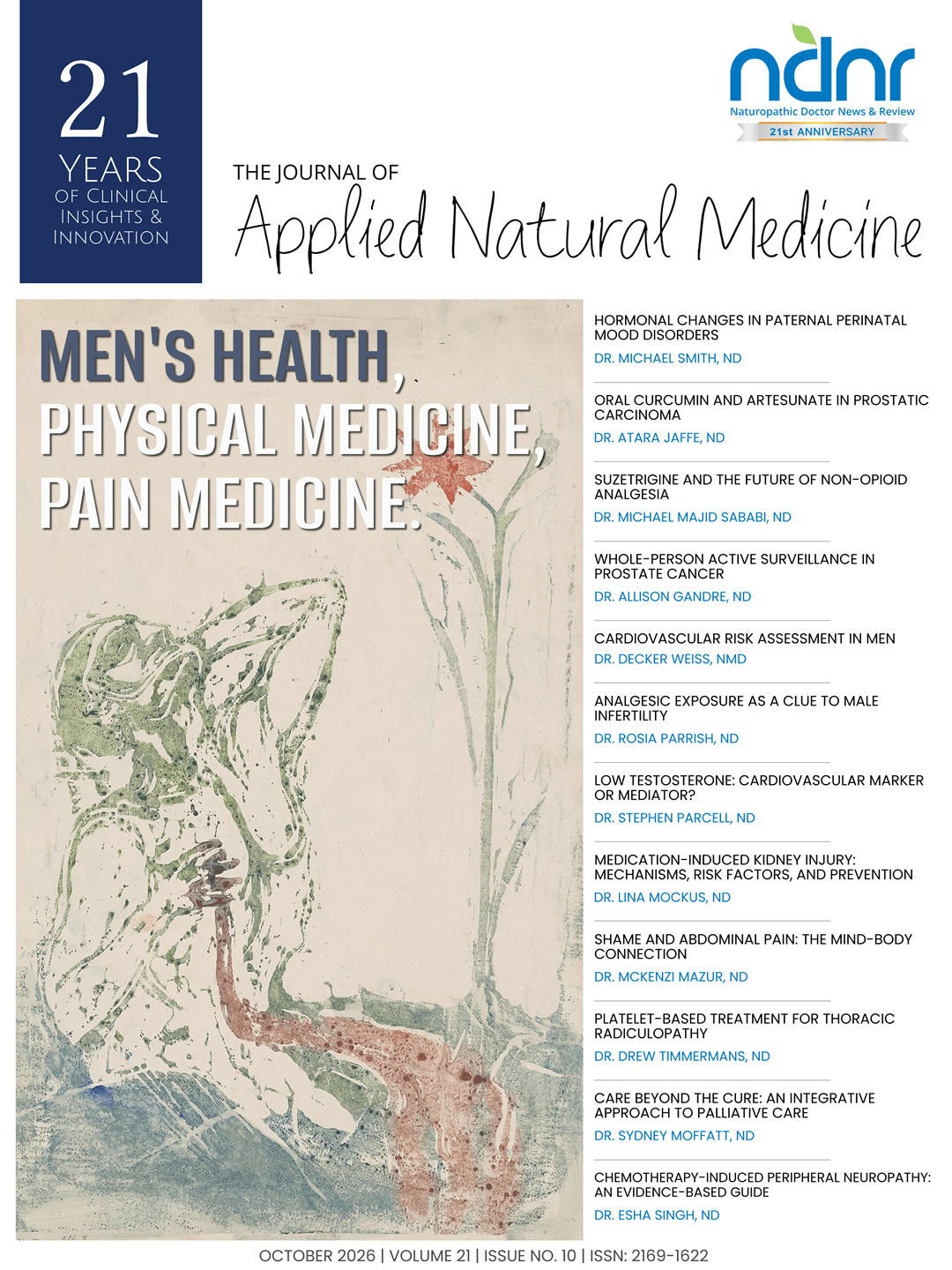
Chemotherapy-Induced Peripheral Neuropathy: An Evidence-Based Guide for Naturopathic Physicians
read more
With the astute acknowledgement that “ ‘screen time has merely become ‘time,’” the American Academy of Pediatrics (AAP) has reformulated its recommendations for screen time under the age of two years. The first recommendations occurred before iPads, tablets, and other non cell-phone screen devices had become ubiquitous. And what research is beginning to show is that the same types of interactivity between children and their environment can occur via a screen; the environment merely becomes virtual. The AAP is very diligent in explaining that its new recommendations are not a carte-blanche advocation for screens, that parents need to be conscious of how screens are used, and promote interactive games and activities, which they are a part of with their children. The AAP is also firm on its recommendation that solo screen time before two years is not advisable – TV as a babysitter. There is an Online Family Media Plan Tool which has been developed to assist parents in putting together a media schedule that will support healthy screen time.
AAP updated recommendations include:
 Node Smith, associate editor for NDNR, is a fifth year naturopathic medical student at NUNM, where he has been instrumental in maintaining a firm connection to the philosophy and heritage of naturopathic medicine amongst the next generation of docs. He helped found the first multi-generational experiential retreat, which brings elders, alumni, and students together for a weekend campout where naturopathic medicine and medical philosophy are experienced in nature. Three years ago he helped found the non-profit, Association for Naturopathic ReVitalization (ANR), for which he serves as the board chairman. ANR has a mission to inspire health practitioners to embody the naturopathic principles through experiential education. Node also has a firm belief that the next era of naturopathic medicine will see a resurgence of in-patient facilities which use fasting, earthing, hydrotherapy and homeopathy to bring people back from chronic diseases of modern living; he is involved in numerous conversations and projects to bring about this vision.