

Trending Articles
Adam Livingston: The Integration of Naturopathic Medicine and Pharmacy: A Collaborative Approach
https://youtube.com/shorts/KiCTEZDh3mc
Dr. Bush Bradley And The Role of Histamine and Serotonin in Upper GI Motility
D Laura Chan Discusses The Fertility Factor No One Talks About: Men’s Energetic Health
Emma Pollon McLeod The importance of Communication between Naturopathic Doctors and Pharmacist
Featured Article | Endocrinology

Naturopathic Fertility Care: Five Common Missteps Made by Naturopathic Physicians
Docere Khivan Oberoi, ND The reality of infertility is upsetting on an individual level, and the statistics and projections of growth on a population basis are quite alarming. One in 8 couples and over 7.4 million women in the United States will seek assistance to...
Exclusive Content | Endocrinology
HGH: Raising Levels Naturally: Maintaining Healthy Muscle Mass and Weight
Dicken Weatherby, ND Most of us have heard of Human Growth Hormone (HGH) in the context of weight lifters and athletes injecting it to enhance muscle mass and performance. In that form, HGH is expensive and can cause negative side effects. But as NDs, I think...
Endocrinology and Aging
The majority of Americans older than 40 or 50 years of age live highly stressful lives. They tend to use at least one type of stimulant on a daily basis and generally have at least one major health problem. In many instances, these illnesses, syndromes and conditions...
August 2008 | Endocrinology
Endocrinology and Aging Dicken Weatherby, ND and Donald R. Yance, CN, MH, RH Age-related energy dysfunction is directly related to endocrine maladaptation, diminished output, hormone misdirection and/or hormone resistance. This article focuses on the critical role...
An Overview of Thyroid Cancer
Aminah Keats, ND Cancers of the endocrine system are very uncommon and constitute less than 1% of all malignancies (Casciato, 2004). Thyroid cancer is the most common type of endocrine malignancy, accounting for the majority of deaths due to endocrine cancers (DeVita,...
Exogenous Endocrine Regulation by Diet
Shandor Weiss, ND, LAc The purpose of this discussion is to propose a hypothesis: Human endocrine regulation has evolved to be dependent on environmental (exogenous) sources of hormones as supplied by diet. This hypothesis is based on the observation of many factors...
Endocrinology and Aging: A Focus on Testosterone
Dicken Weatherby, ND and Donald R. Yance, CN, MH, RH The majority of Americans older than 40 or 50 years of age live highly stressful lives. They tend to use at least one type of stimulant on a daily basis and generally have at least one major health problem. In many...
Dysfunctional Uterine Bleeding: The Endocrine System Out of Balance
Janice Skelton, ND As NDs, we are acutely aware of the delicate balance within the endocrine system and how that balance affects one’s health. Understanding the connection between the hypothalamus, pituitary and adrenal glands is crucial when treating a patient with...
Evaluating HPA Dysfunction Using Salivary Cortisol
Timothy Schwaiger, NMD The use of salivary cortisol in evaluating a patient’s condition can be a valuable tool for physicians. Although there is a vast quantity of research in this area, the laboratory results can be confusing when trying to choose a therapy best...
Archived Case Studies and Featured Content

Naturopathic Approach to Women’s Hormone Health: From Menarche to Menopause
Dr. Serena Goldstein, ND A comprehensive review of hormonal changes, mood, metabolism, and integrative strategies to support women’s health at every life stage. Short Description This article explores hormonal changes across the female lifespan—from menarche...

Spring 2026 Conference: Advancing Care in the Era of Progressive Disease
Orchestrated by one of the leading authorities in naturopathic and integrative medicine, Dr. Paul Anderson will be presenting the 19th International hybrid CME conference for Advanced Applications in Medical Practice (AAMP) during May 15th to 17th in Scottsdale,...
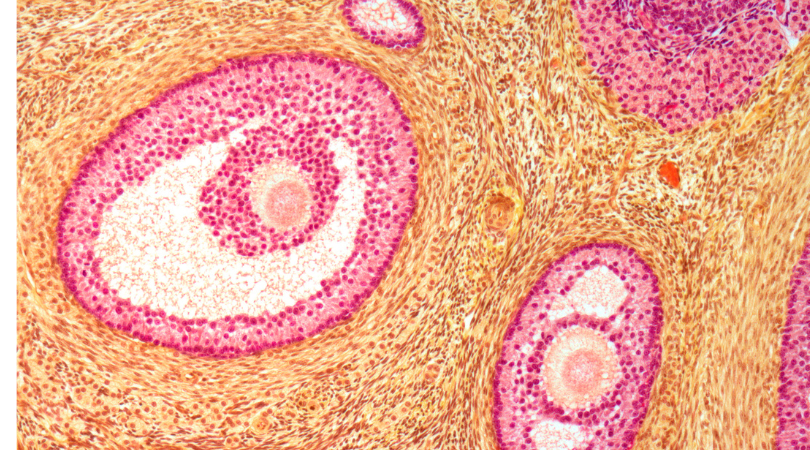
Sequencing in Multi-Mycotoxin Illness: A Case Report on Binding Capacity, Immune Modulation, Membrane Support, and Glutathione Therapy
Dr. Autumn Frandsen, ND Abstract This case describes a 71-year-old female presenting with acute-onset neuropsychiatric and systemic symptoms following relocation to a new office environment. Laboratory evaluation revealed elevated complement component C4a and...
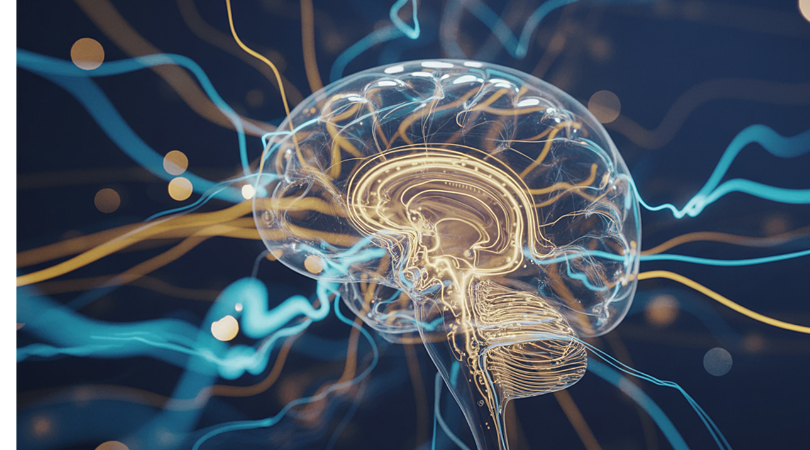
Glymphatic Detoxification: The Missing Link in Brain Health and Environmental Toxin Clearance
Dr. Millie (Millennia) Lytle ND, MPH, CNS Abstract Why optimizing glymphatic drainage is essential for cognitive resilience, detoxification, and the prevention of neurodegenerative and systemic disease. This clinical commentary explores the glymphatic system as a...
Akkermansia muciniphila: Clinical Insights on a Next-Generation Probiotic
Sara Love, ND A clinician’s guide to when—and when not—to use A. muciniphila: evidence for gut-barrier support, metabolic and immune effects, pasteurized vs live formulations, and patient selection. Abstract Akkermansia muciniphila is an emerging “next-generation”...
The Silent Toll: How Celiac Disease Drives Psychiatric and Neurological Disorders
Christine Bowen, ND, FABNG Abstract Celiac disease (CD) is increasingly recognized as a systemic autoimmune condition whose psychiatric and neurological manifestations often precede or overshadow gastrointestinal symptoms. Evidence demonstrates strong associations...
Early MASH Reversal: Mediterranean Diet and Naturopathic Co-Management
Anna Kolomitseva, ND A 51-year-old woman with severe steatosis and minimal fibrosis achieved early liver and metabolic improvements through a Mediterranean-style diet, low-impact activity, sleep support, and adjunctive nutraceuticals co-managed with conventional...
Functional Fermentation: Naturopathic Treatment of Entamoeba histolytica
Lauren Geyman, ND This case highlights how a naturopathic protocol—combining antiparasitic botanicals, targeted probiotics, and fermented foods—successfully eradicated Entamoeba histolytica while restoring gut balance and reducing inflammation. Abstract: Infection...
The Gut–Brain Axis: How the Nervous System Shapes Gut Health
Maura Henninger, ND Understanding the gut–brain connection reveals how stress, the autonomic nervous system, and the microbiome shape digestion, immunity, and emotional well-being—and how naturopathic care can restore balance. Abstract The gut–brain axis is a...
Clinical Commentary: Climate Change, Tick-borne Illness, and the Shifting Landscape of Clinical Practice
Lynn Klassen, ND Carolyn Mukai, ND Rising temperatures and changing habitats are driving the spread of Lyme disease and co-infections into new regions—challenging outdated risk maps, diagnostic tools, and clinical assumptions. Abstract Climate change is expanding the...
Restoring Cellular Integrity: Phospholipid Therapy as a Key Treatment of Refractory Tick-Borne Disease
Melanie Stein, ND A clinical case highlights how intravenous phosphatidylcholine and targeted membrane repair strategies supported lasting recovery in a patient with refractory Lyme and co-infections. Abstract This case describes a 47-year-old female high school...
Oxaloacetate: A Missing Link in CFS, Long-Haul COVID, and Mitochondrial Performance
Chris D. Meletis, N.D. Abstract Long COVID and chronic fatigue syndrome (CFS) share overlapping pathophysiological mechanisms, with mitochondrial dysfunction emerging as a central driver of persistent fatigue, cognitive impairment, and multisystem dysregulation....
Post-Pandemic Clinical Medicine: Addressing Long-COVID and Vaccine Injuries
Post-Pandemic Clinical Medicine: Strategies for Treating Long-COVID and Vaccine-Related Injuries Paul S. Anderson, NMD A comprehensive review of definitions, pathogenesis, diagnostics, and evidence-based therapeutic approaches for managing Long-COVID and...
Unmasking Long COVID: Healing Through Immune Modulation in Adolescents
Sarah Cassidy, ND Abstract Long COVID, or post-acute sequelae of SARS-CoV-2 infection, is an increasingly recognized condition affecting not only adults but also adolescents. Though often underdiagnosed in younger populations, it can present with a wide range of...
Clinical Commentary: Climate Change, Tick-borne Illness, and the Shifting Landscape of Clinical Practice
Lynn Klassen, ND Carolyn Mukai, ND Rising temperatures and changing habitats are driving the spread of Lyme disease and co-infections into new regions—challenging outdated risk maps, diagnostic tools, and clinical assumptions. Abstract Climate change is expanding the...
Restoring Cellular Integrity: Phospholipid Therapy as a Key Treatment of Refractory Tick-Borne Disease
Melanie Stein, ND A clinical case highlights how intravenous phosphatidylcholine and targeted membrane repair strategies supported lasting recovery in a patient with refractory Lyme and co-infections. Abstract This case describes a 47-year-old female high school...
Oxaloacetate: A Missing Link in CFS, Long-Haul COVID, and Mitochondrial Performance
Chris D. Meletis, N.D. Abstract Long COVID and chronic fatigue syndrome (CFS) share overlapping pathophysiological mechanisms, with mitochondrial dysfunction emerging as a central driver of persistent fatigue, cognitive impairment, and multisystem dysregulation....
Post-Pandemic Clinical Medicine: Addressing Long-COVID and Vaccine Injuries
Post-Pandemic Clinical Medicine: Strategies for Treating Long-COVID and Vaccine-Related Injuries Paul S. Anderson, NMD A comprehensive review of definitions, pathogenesis, diagnostics, and evidence-based therapeutic approaches for managing Long-COVID and...
Unmasking Long COVID: Healing Through Immune Modulation in Adolescents
Sarah Cassidy, ND Abstract Long COVID, or post-acute sequelae of SARS-CoV-2 infection, is an increasingly recognized condition affecting not only adults but also adolescents. Though often underdiagnosed in younger populations, it can present with a wide range of...
Treating Intestinal Parasites in a Lactating Woman with Classical Homeopathy: A Case Study
Miriam Wheeler, ND, DHANP (DABHM) A clinical case study demonstrating the successful eradication of Dientamoeba fragilis with Aloe socotrina in a lactating patient—offering a safe alternative to conventional antiparasitic medications. Abstract This case study details...
Polyarthralgia with Rash: A Case of Parvovirus Arthritis Mimicking Post-Streptococcal Sequelae
Prabhjot Chohan, ND, MD (India), CCRA Abstract Parvovirus B19 infection in adults can present with polyarthralgia and rash, often resembling post-streptococcal sequelae such as acute rheumatic fever or reactive arthritis. This case describes a 36-year-old female with...
The Diagnosis and Treatment of Babesiosis: A Naturopathic Approach to an Emerging Tick-Borne Disease
By Alexis Chesney, MS, ND, LAc Abstract Babesiosis is an emerging tick-borne parasitic infection in the United States caused primarily by Babesia microti and Babesia duncani. Transmitted by Ixodes ticks, babesiosis has expanded beyond its traditional strongholds in...
The Sound of Healing: Mindfulness-Based Therapy for Adolescent Mental Health
A clinical and creative exploration of how vibrational sound therapies and mindfulness practices can regulate the nervous system, reduce anxiety, and enhance emotional well-being in adolescents. Tanvi Gandhi, ND, L.Ac. Abstract Music communicates non-verbally and...
Clinical Use of Kava in Pediatric PTSD and ODD: A Case Study of Two Siblings
Michael Friedman, ND Abstract This case study explores the use of kava (Piper methysticum)and Rauwolfia vomitoria in two siblings with PTSD and ODD in an older child, and PTSD and ADHD in the younger child, following severe early-life trauma. Under naturopathic...
Custom Publishing
No Results Found
The page you requested could not be found. Try refining your search, or use the navigation above to locate the post.
Featured News
Curcumin Vaginal Gel Effectively Treats Bacterial Vaginosis Without Antibiotics
Natural curcumin gel achieves rapid symptom relief, balanced microbiome restoration, and avoids antibiotic resistance risks. Oral metronidazole is commonly prescribed as the primary therapy for BV, achieving a cure rate of 75% to 84%. According to the Centers for...
Herbal Therapeutic Approaches Demonstrate Significant Impact on Rheumatoid Arthritis
Herbal treatments modulate inflammation, reduce immune dysregulation, and alleviate joint symptoms without significant adverse effects. Rheumatoid arthritis (RA) is an autoimmune disorder characterized by chronic inflammation, joint destruction, and reduced quality of...
Never Miss An Issue

