

A...
Childhood Trauma and Mental Health: A Systems Biology Approach to Treatment-Resistant Anxiety and OCD
read more
Docere David M. Brady, ND, DC, CCN, DACBN, IFMCP, FACN There is a lot of conversation and controversy surrounding the issue of laboratory testing as it pertains to COVID-19 and SARS-CoV-2. This has generated an unfortunate amount of media misreporting...
Jenna Henderson, ND In treating autoimmune diseases, there is much to be learned from the science of transplantation. Much of the innovation in medicine over the past 50 years has been in the field of transplantation, and these breakthroughs are affecting how...
Lisa Meserole, MS, ND Antiaging treatments for skin and beauty are skyrocketing. The science and research of dermatology and the skin have advanced dramatically. Innovations in formulation through new technologies offer increased functional effects in hair and skin...
David A. Tallman, DC, NMD Proliferative therapy in cosmetic dermatology is achieved by inducing mechanical or chemical trauma (dermabrasion, chemical peel), intense light exposure (laser, intense pulse light), or through the deposition of growth factors in the dermis....


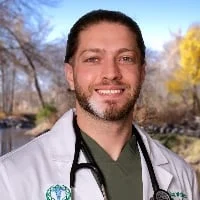
Childhood adversity may leave lasting physiological effects that extend beyond psychological symptoms. Through a case of a 19-year-old woman with persistent anxiety, OCD, emotional eating, and hyperandrogenic metabolic dysfunction, this article examines how neuroendocrine, metabolic, immune, nutritional, and gut-brain pathways may interact—and how a systems biology approach can complement conventional psychiatric care.
S.A Decker Weiss, NMD, FASA, PLC A complex ischemic cardiomyopathy case exploring myocardial recovery through guideline-directed medical therapy, device support, metabolic optimization, and experimental regenerative adjuncts. Abstract This case report examines...
By Lina Mockus, ND How the gut microbiome, systemic inflammation, and metabolic health link cardiovascular disease and prostate disorders—and what integrative care can do about it. This article explores the shared metabolic, inflammatory, and microbiome-driven...
Dr. Michael Knapp, ND, DHANP A case demonstrating sustained remission of exercise-induced asthma, allergic oropharyngeal symptoms, and recurrent respiratory infections in an adolescent following constitutional homeopathic care. This case report describes the...
Dr. Stephen Parcell, ND A preventive cardiology case demonstrates how advanced imaging, aggressive lipid optimization, and integrative therapies can reduce coronary plaque burden in a high-risk patient. This case report examines the regression of coronary...
Dr. Olivia Greenspan, ND RN Abstract Structured risk factor modification and longitudinal lifestyle care can improve atrial fibrillation outcomes beyond rate and rhythm control alone. This article examines atrial fibrillation as a progressive, risk...
Dr. Joel Kahn, MD, FACC A step-by-step, evidence-informed framework for interpreting high coronary calcium CT results, refining cardiovascular risk, and implementing integrative prevention strategies. Abstract This article provides an updated, clinically...

When an 8-month-old developed sudden distress whenever his mother left the room, the choice between Phosphorus and Pulsatilla initially appeared uncertain. Through direct observation, a previously overlooked response to physical touch became the defining symptom guiding a Phosphorus prescription, followed by reported improvement within one week.

For neurodivergent children, communication extends beyond spoken language. Through a composite pediatric case, this article explores how narrative medicine, creative expression, sensory-aware facilitation, and caregiver co-regulation can support emotional communication, self-advocacy, and connection in children with autism, ADHD, and related developmental differences.

A young child with recurrent abdominal pain, bloating, constipation, sleep disturbances, and behavioral changes experienced repeated symptom improvement during integrative treatment targeting intestinal dysbiosis. This case examines the challenges of managing suspected Klebsiella-associated symptoms while navigating inconsistent treatment across two households, parental hesitation toward additional testing, and the possibility of an underlying inflammatory bowel disorder.

After years of speech-language and occupational therapy without functional spoken language, an 8-year-old boy with autism began vocalizing and spontaneously spoke a meaningful word approximately two weeks after starting 5-MTHF supplementation. This case examines the temporal association, potential relevance of folate-dependent pathways, and the need for further research into communication outcomes in minimally verbal autistic children.

An 11-year-old boy with celiac disease experienced recurrent hallucinations, night terrors, aggression, and profound behavioral changes requiring multiple hospitalizations. This case explores the suspected relationship between infections, gastrointestinal disturbances, immune responses, and neuropsychiatric symptoms, including reported improvements following dietary modifications and microbiome-directed interventions.

Healthy child development depends on more than genetics alone. This review examines how gastrointestinal health, nutritional adequacy, sleep quality, and stress physiology contribute to the developing nervous system, offering naturopathic clinicians a practical framework for identifying modifiable factors that support growth, learning, and emotional well-being.

In a child with autism, recurrent constipation consistently preceded episodes of behavioral dysregulation or loss of previously functional language. Through years of symptom tracking, laboratory assessment, and individualized treatment, this case explores two distinct clinical patterns potentially involving the gut-brain axis, with reported improvements following antifungal and antibacterial interventions.