

A...
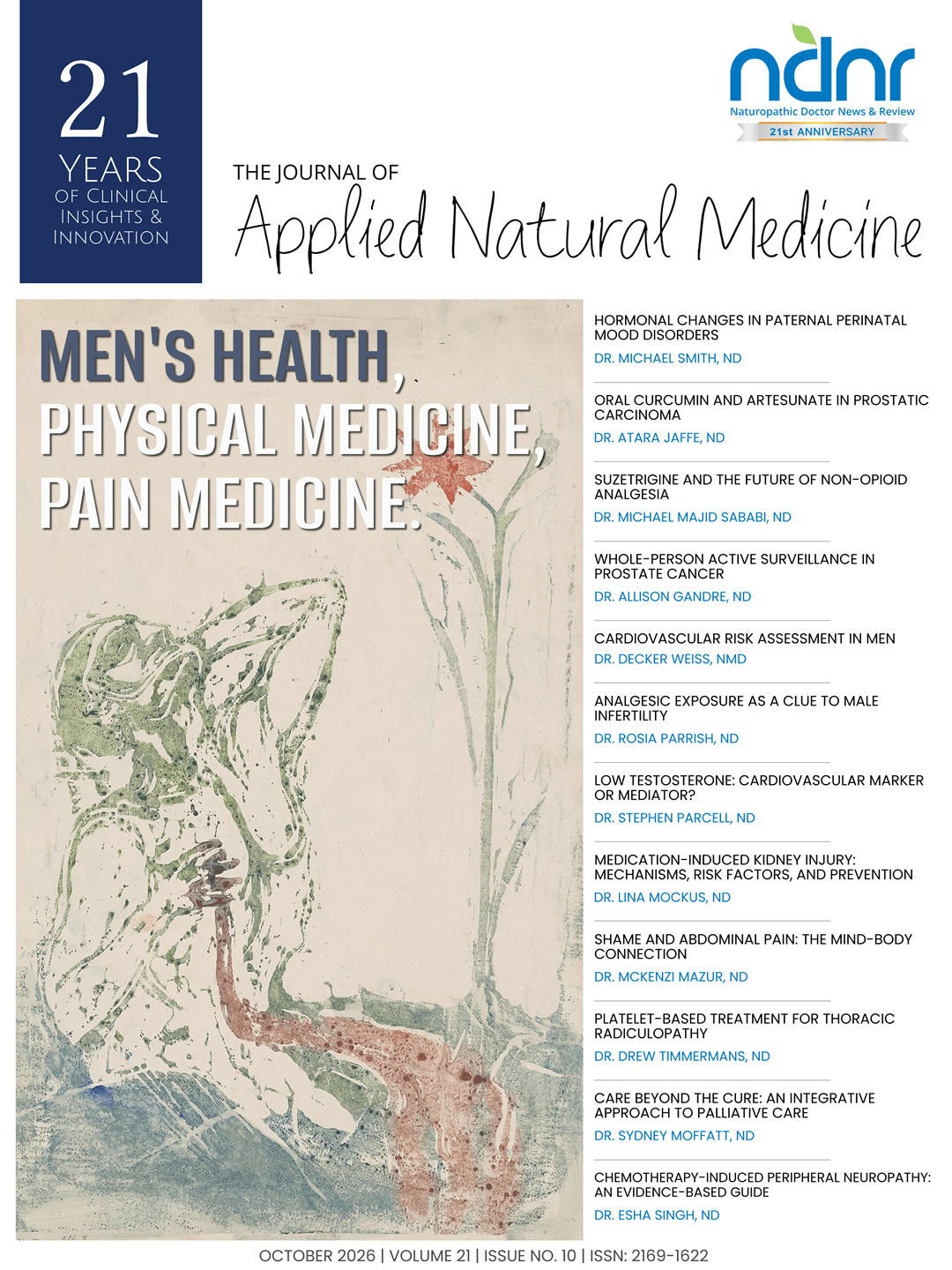
Chemotherapy-Induced Peripheral Neuropathy: An Evidence-Based Guide for Naturopathic Physicians
read more

A multidisciplinary oncology case highlighting chemotherapy response, integrative recovery strategies, and long-term quality-of-life restoration.
A 45-year-old woman was diagnosed with Stage II Classic Hodgkin lymphoma following a COVID-19 infection in December 2021. Diagnosis was confirmed by CT imaging and excisional lymph node biopsy. Her medical history was notable for prior Epstein–Barr virus infection in childhood and possible occupational chemical exposure. Initial integrative oncology treatments included insulin potentiation therapy and high-dose intravenous vitamin C, followed by adjunctive ozone therapy. Shortly thereafter, she developed progressive dyspnea and was found to have a pleural effusion requiring emergent hospitalization and stabilization.
The patient underwent placement of a central venous port and completed six months of combination chemotherapy with participation in an immunotherapy trial. Treatment-related adverse effects included alopecia, fatigue, insomnia, dermatologic discoloration, gastrointestinal disturbance, and peripheral neuropathy. Following completion of chemotherapy, she declined a recommended bone marrow transplant.
A structured integrative supportive care plan was implemented to promote post-treatment recovery, including intravenous nutrient therapy, targeted supplementation, nutritional counseling, acupuncture, and lifestyle interventions focused on stress reduction and restorative practices. These therapies were well tolerated and associated with improvement in treatment-related side effects and functional recovery. Follow-up imaging demonstrated significant reduction in measurable disease burden consistent with a strong therapeutic response.
There are numerous therapeutic modalities available to support patients throughout the cancer continuum, addressing not only physiological needs but also mental, emotional, and spiritual dimensions of care. This case was selected from a large clinical cohort to illustrate the complexity of oncologic presentation following COVID-19 exposure and to underscore the importance of recognizing and treating the individual beyond the diagnosis itself.
The case highlights a comprehensive integrative approach, incorporating multiple practitioners who collaborated as part of the patient’s interdisciplinary care team. This model reflects a whole-person framework in oncology, emphasizing coordinated care, individualized treatment planning, and supportive therapies alongside conventional medical management.
Hodgkin lymphoma is a malignant lymphoma of B-cell origin and is considered one of the most curable forms of cancer, particularly when diagnosed at an early stage. It accounts for approximately 10% of all lymphomas and demonstrates a bimodal age distribution, commonly affecting young adults (15-30) and individuals over 55 years of age.
The most common subtype is Classic Hodgkin Lymphoma (cHL), which is characterized histologically by the presence of Reed–Sternberg cells within an inflammatory background of reactive immune cells. These malignant cells are typically large, binucleated or multinucleated, and express CD30 and CD15 on immunohistochemistry.
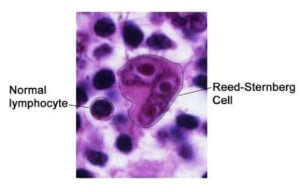
Classic Hodgkin lymphoma is subdivided into four histologic categories: Nodular Sclerosis cHL, Mixed Cellularity cHL, Lymphocyte-Rich cHL, and Lymphocyte-Depleted cHL (rarest).
In this case, laboratory testing was negative for HIV, which is clinically significant because certain subtypes—particularly mixed cellularity and lymphocyte-depleted forms—are more frequently associated with HIV infection.
~ Hodgkin lymphoma is staged using the Ann Arbor staging system, which classifies disease extent as follows:
Each stage may be further classified as:
Staging plays a crucial role in determining prognosis and guiding treatment selection.
Patients with lymphoma, including those with Hodgkin lymphoma, increase their risk for severe outcomes after COVID-19 infection compared to the general population due to immunosuppression from the disease and its treatments such as chemotherapy and immune-modulating therapy. Several studies have examined SARS-CoV-2 infection outcomes in hematologic malignancies.*
Hodgkin lymphoma encompasses several histologic subtypes. This case was identified as Classic Hodgkin Lymphoma (cHL), which is further subdivided into four categories: Nodular Sclerosis cHL, Mixed Cellularity cHL, Lymphocyte-Rich cHL, and Lymphocyte-Depleted cHL, the latter being the rarest subtype. In this case, laboratory testing was negative for HIV, which is clinically significant because certain subtypes—particularly mixed cellularity and lymphocyte-depleted forms—are more frequently associated with HIV infection.
Hodgkin lymphoma is staged using the Ann Arbor system, with Stage I–IV designating the extent of nodal and extra nodal involvement and A/B indicating the presence or absence of systemic symptoms. Accurate staging guides prognosis and treatment selection; early-stage disease (I–II) without B symptoms typically carries a highly favorable prognosis when standard therapy elicits a strong response. Integrative supportive care—including nutritional optimization, intravenous nutrient therapy, mind–body interventions, and lifestyle strategies—can be implemented alongside conventional treatment to support recovery, enhance quality of life, and complement oncologic outcomes.
The patient is a 45-year-old female of Mediterranean descent, at 5’10 inches and 157 pounds. She was previously a healthy and active individual with a thriving business. In December 2021, she experienced flu-like symptoms that resolved with minimal side effects. On January 1, 2022, she was exposed to cold-like symptoms at a New Year’s Eve gathering; several attendees developed similar symptoms. Over the following two months, she experienced persistent fatigue and dyspnea (“hard to breathe”).
She had received the COVID-19 vaccine and booster prior to symptom onset. During an acupuncture session, an enlarged lymph node was noted, raising concern for possible oncologic pathology. Subsequent evaluation by her general practitioner included a physical exam, CT imaging, and biopsy, which confirmed bulky Hodgkin lymphoma. Two sites were involved in the left cervical nodes, as well as the left supraclavicular (Virchow’s) node. Serum laboratory testing supported the diagnosis.
Following diagnosis, the patient initially pursued integrative oncology interventions, including insulin potentiation therapy (IPT) and high-dose intravenous vitamin C (HDIVC). She was subsequently referred to another clinic for adjunctive ozone therapy, additional high-dose vitamin C infusions, and follow-up care closer to her residence.
Over the ensuing weeks, the patient developed progressive symptoms of dyspnea, cough, and fatigue. Diagnostic evaluation revealed a pleural effusion, a complication that necessitated immediate hospitalization at a university medical center for oncologic management.
Post intervention of thoracentesis and clinical stabilization, a central venous port was surgically placed to facilitate chemotherapy administration. The patient completed six months of combination chemotherapy and participated in an immunotherapy clinical trial. Reported treatment-related adverse effects included alopecia, fatigue, insomnia, green dermatologic discoloration, gastrointestinal disturbances, and peripheral neuropathy. Following completion of chemotherapy, a bone marrow transplant was recommended; however, the patient declined the procedure due to concerns regarding her weakened physiological state and ability to tolerate this intensive treatment.
A comprehensive integrative supportive care plan was initiated to facilitate physiological recovery and optimize mental and emotional well-being during the post-treatment period. Interventions included individualized nutritional counseling, intravenous nutrient therapy, targeted oral supplementation, acupuncture, mind–body stress reduction strategies, and lifestyle optimization focused on sleep, physical activity, and restorative practices
Subsequent follow-up CT imaging demonstrated a significant reduction in measurable disease burden, indicating a strong therapeutic response
“Recovery of physiologic function, endocrine balance, neurological repair, and quality of life often extends well beyond conventional treatment.”
Initial evaluation included CT imaging and laboratory studies to confirm the diagnosis of Hodgkin lymphoma. Baseline labs, including a comprehensive metabolic panel and complete blood count, demonstrated normal organ function, with the exception of mildly elevated glucose (101 mg/dL).
Between October 2022 and November 2022, the patient underwent insulin potentiation therapy (IPT) and high-dose intravenous vitamin C (HDIVC). During this period, she reported fatigue, peripheral neuropathy, nausea, and loss of appetite. Her anthropometrics at the time were height 5’10” and weight 157 lb.
From November 2022 through May 2023, the patient pursued additional integrative therapies, including ozone therapy (10-pass), HDIVC nutrient infusions, and chelation. During this interval, she developed a cardiac effusion secondary to fluid accumulation in the pleural space, resulting in dyspnea, cough, and decreased oxygen saturation. These complications were likely multifactorial, influenced by tumor location, prior viral exposure, and compromised pulmonary capacity.
5/2023 – 6/2023: Hospital, Surgery, Chemotherapy
Weekly serum laboratory assessments were performed to monitor hematologic function, metabolic status, and treatment response through October 2023. Following completion of active chemotherapy, laboratory monitoring was conducted monthly and as clinically indicated (PRN) to ensure ongoing safety, detect potential late effects, and support long-term survivorship care.
The patient received hormone balancing support through collaboration with both naturopathic and endocrinology specialists, integrating conventional endocrine assessment with complementary approaches to optimize physiologic function during cancer treatment and recovery.
12/2023:
Repeated glucose-6-phosphate dehydrogenase (G6PD) testing was performed, with levels <14> in the safe range observed. This finding is consistent with the expected depletion of G6PD activity during chemotherapy, reflecting oxidative stress and increased demand on red blood cell metabolic pathways. Regular monitoring was important to guide safe administration of oxidative therapies. Ex: HDIVC, ozone hydrogen peroxide and methylene blue.
Initially, the intravenous (IV) therapy regimen was designed to mitigate chemotherapy-related side effects while providing hydration and nutrient support. For the first three infusions, treatments for hydration and nutrient repletion were given. In the following next 10 weeks, we alternated between artesunate/ high-dose intravenous vitamin C (HDIVC) and a combination of targeted nutrients, minerals, and combination complex amino acids, and added taurine and selenium. Glutathione was administered as a separate infusion following non-oxidative infusions to support antioxidant capacity and reduce oxidative stress. We repeated this for 6 months.
Infusion schedules were tailored to the patient’s daily clinical status, with adjustments made based on reported fatigue, nausea, neuropathy, and pain. In addition, alpha-lipoic acid (ALA) infusions were administered four times to specifically address peripheral neuropathy. This individualized, flexible approach allowed us to optimize tolerance and maximize supportive benefit during chemotherapy. In conjunction with the IV ALA, oral alpha-lipoic acid (ALA) was given at a dosage of 900 mg daily.
When administering intravenous (IV) therapies, it is important to recognize that adequate patient hydration status plays a critical role in nutrient delivery and utilization. Optimal hydration supports vascular volume, tissue perfusion, and cellular uptake, which may enhance tolerance and absorption of administered nutrients and other therapeutic agents.
Chelation: for removal of the heavy metals affecting the health of all cells, to reduce the development of abnormal cells, neurodegeneration and disease processes.
5/2024:
6/2024 – 11/2024:
Pt was on an immune chemotherapy clinical trial; results are not available as of this writing. Tolerated well.
We continued with the infusions with a joint decision to hold off on the chelation until after the clinical trials.
CT scan for diagnosis and follow-up confirmation of remission demonstrated the 95% reduction.
Overall, the patient demonstrated a favorable clinical response to treatment. Although there were periods during therapy when the physical and emotional burden became overwhelming, her quality of life progressively improved. By the three-year mark, she reported substantial restoration of energy, functional capacity, and overall well-being, and began gradually resuming normal activities.
During this recovery phase, the patient increased her activity level significantly, which was followed by the development of acute thyroid dysregulation consistent with a thyroid storm. This setback required temporary initiation of levothyroxine (Synthroid) therapy and an additional six-week course of supportive intravenous infusions. With continued integrative and endocrine management, thyroid function stabilized, allowing for eventual tapering and discontinuation of levothyroxine.
Her port was removed 2/13/2026, with peripheral access for nutrient infusions being well-obtained. Her primary clinical focus involves ongoing hormone balance and neurological recovery related to prior chemotherapy-associated neuropathy. She continues with periodic supportive treatments aimed at optimizing prevention, physiologic resilience, and long-term recovery. The patient has returned to full-time work and reports sustained functional improvement.
This case illustrates the complex and dynamic nature of managing classic Hodgkin lymphoma within both conventional oncologic and integrative frameworks. The patient achieved a strong therapeutic response to chemotherapy and immunotherapy, with significant reduction in measurable disease burden. As is common in oncology, treatment-related toxicities—including fatigue, neuropathy, gastrointestinal disturbance, dermatologic changes, and endocrine disruption—required ongoing supportive care.
The integration of conventional oncology with individualized supportive strategies highlights the importance of comprehensive care. Whereas cytotoxic and immunologic therapies remain central to disease control; recovery of physiologic function, endocrine balance, neurological repair, and quality of life often extends well beyond conventional treatment.
This case also underscores the need for careful pacing during recovery. The patient’s experience with thyroid dysregulation following rapid return to high activity levels demonstrates the vulnerability of endocrine and metabolic systems during post-chemotherapy rehabilitation.
Long-term management in Hodgkin lymphoma survivors should include:
Overall, this case supports a collaborative, multidisciplinary model in which conventional oncology and integrative supportive care are coordinated to optimize both disease outcomes and quality of life.
Classic Hodgkin lymphoma carries a highly favorable prognosis, particularly in Stage I–II disease when a strong response to therapy is achieved. In this case, the patient demonstrated a significant reduction in tumor burden following chemotherapy and immunotherapy, reflecting a robust oncologic response.
Targeted integrative supportive strategies—including intravenous nutrient therapy, oral supplementation, dietary optimization, and restorative modalities—were implemented to promote immune recovery, support mitochondrial function, and enhance overall physiologic resilience. These supportive interventions were associated with improvement in the underlying SARS-CoV-2 virus and the chemotherapy-related fatigue, peripheral neuropathy, dermatologic changes, gastrointestinal disturbances, and alopecia.
Continued integrative monitoring in conjunction with standard oncologic evaluations is recommended to support long-term remission, optimize quality of life, and enhance quality of life, through comprehensive supportive and preventive care strategies.
* A small number of case reports describe development of various non-Hodgkin lymphomas shortly after mRNA COVID-19 vaccination, including diffuse large B-cell lymphoma and marginal zone B-cell lymphoma.1,2,3,15 However, to date there are no peer-reviewed case reports describing the onset of Hodgkin lymphoma specifically following COVID-19 infection or vaccination