

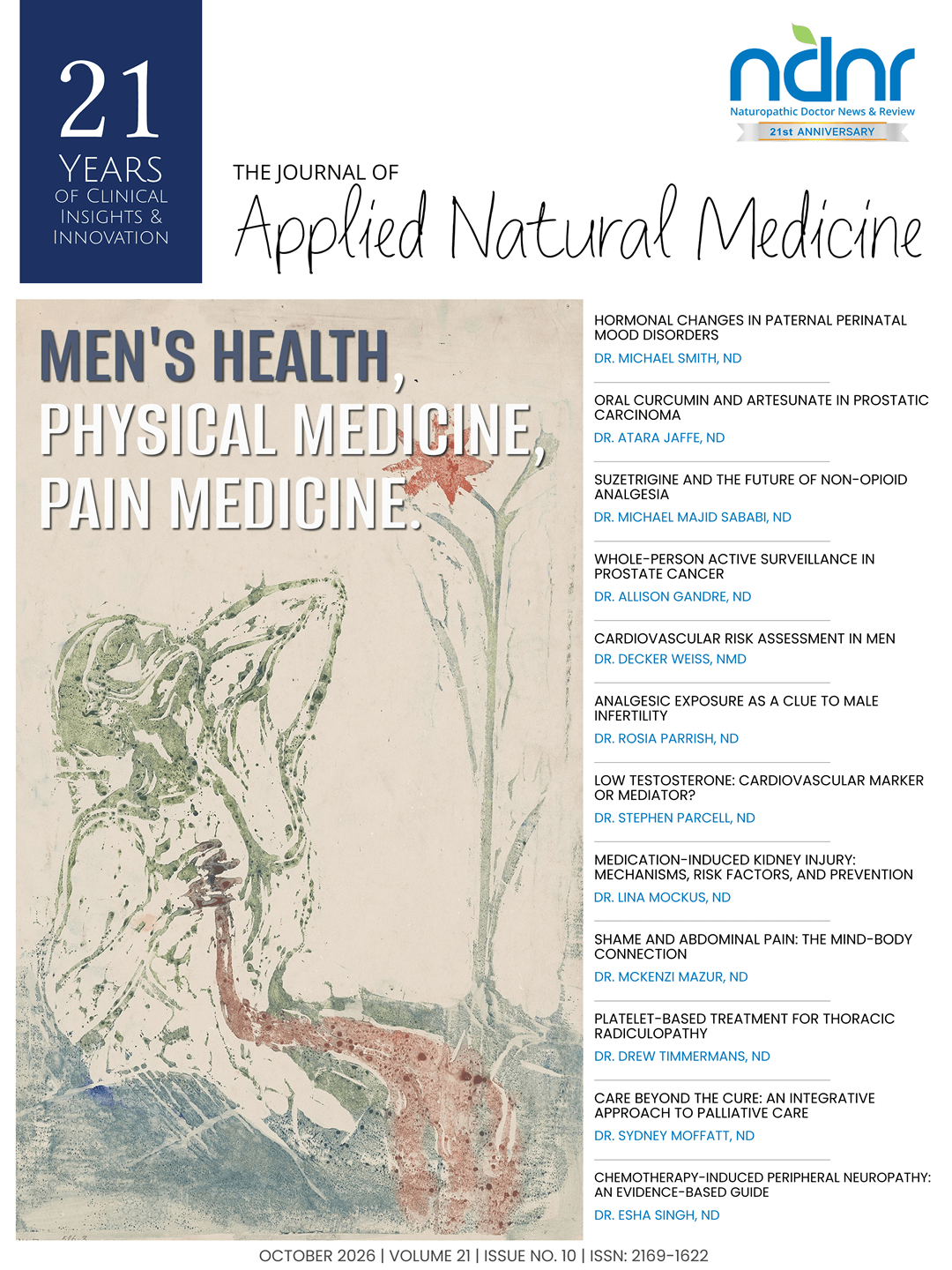
A...
Chemotherapy-Induced Peripheral Neuropathy: An Evidence-Based Guide for Naturopathic Physicians
read more



Cardiovascular Therapy Update 2009 Paul S. Anderson, ND Research supporting oral and in Naturopathic Approach to Young Men’s Health Steve Rissman, ND The author sees a need to reach out to young, college-aged men regarding their health. Perspective and direction on...
Jacob Schor, ND, FABNO Much of what we do in naturopathic oncology is exploration. We find and follow ideas, both old and new, and ask whether they lead to something useful for our patients. This article is about a new angle to consider when working with cancer...
Overdiagnosis and radical treatment Michael Uzick, NMD Prostate cancer is now the second leading cause of cancer death among men in the United States. The American Cancer Society estimates over 190,000 new cases and over 27,000 deaths from prostate cancer in 2009.1...
Part 3 of 3 Sussanna Czeranko, ND All acute diseases are natural processes … the result of Nature’s healing, cleansing efforts, which run a certain well-defined, orderly and natural course. Henry Lindlahr1(p258) Every child’s disease is nature’s effort to cleanse the...
Second Annual Event Celebrates Connections, Collaboration and Driving Success in Naturopathic and Integrative Medicine Following a successful inaugural year, The Supplier Show 2026: Driving Success returns on Saturday, November 7, 2026, at the Pearson Convention...
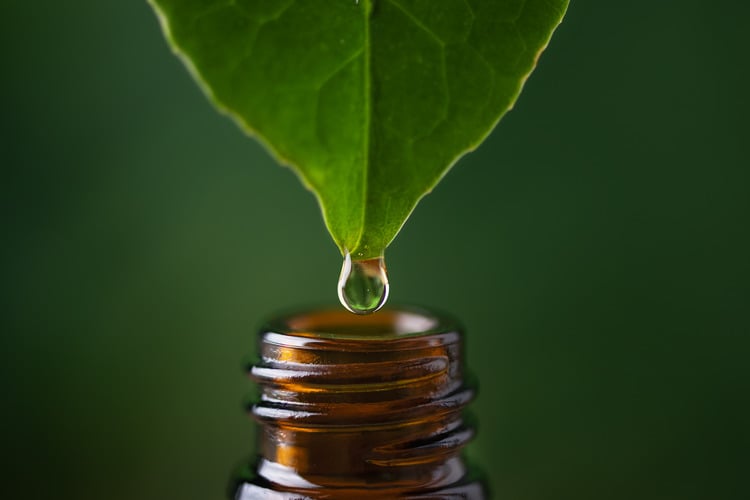
Essential oils contain complex compounds with antimicrobial, antibiofilm, anti-inflammatory, and other biological activities. Dr. Sarah LoBisco explores how essential oil chemistry, formulation, and route of administration inform targeted applications for microbiome balance across the gastrointestinal, respiratory, and urinary systems.

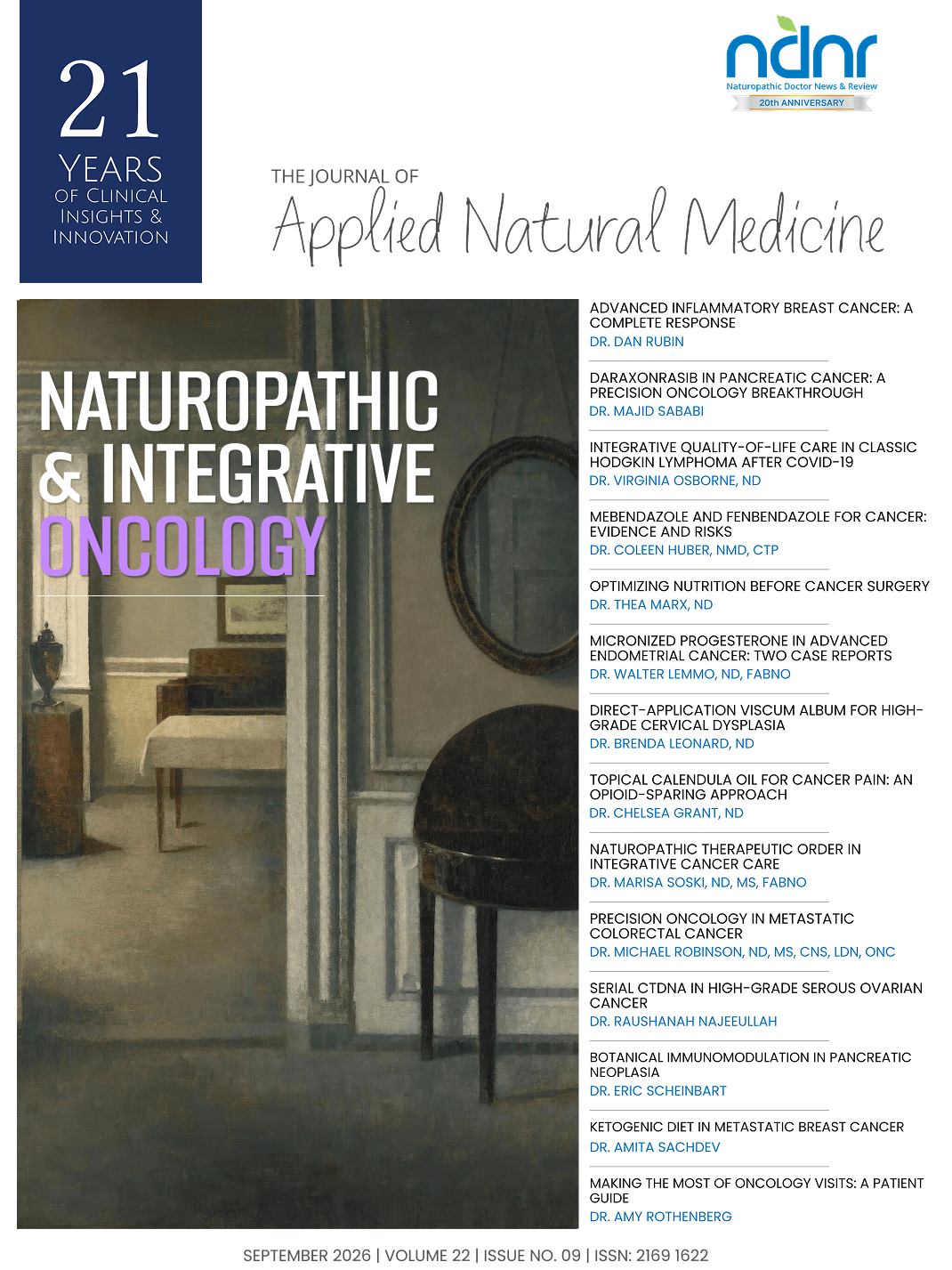
Chemotherapy-induced peripheral neuropathy can persist long after cancer treatment, affecting pain, balance, function, and quality of life. This review examines evidence-informed strategies for CIPN, including Mediterranean-style nutrition, exercise, acupuncture, duloxetine, cryotherapy and compression, while identifying commonly used supplements that lack benefit or may worsen neuropathy.
Palliative care is not about abandoning treatment or losing hope—it is about adding another layer of support. This article explores an integrative, interdisciplinary approach that introduces symptom management, quality-of-life support, advance care planning, and emotional and spiritual care early in the course of serious illness.
Cancer care can be complex and overwhelming, but preparation can make medical appointments more productive and less stressful. This practical checklist offers 18 strategies to help patients communicate effectively with providers, organize their care, explore treatment options, and build a collaborative medical “dream team.”
Can botanical immunomodulation play a supportive role in patients with pancreatic neoplasia? This case report describes the clinical course of a patient who declined surgery, chemotherapy, and radiation and pursued a physician-directed botanical regimen alongside nutrition, exercise, meditation, and other lifestyle measures, with subsequent imaging reportedly demonstrating stabilization followed by reduction in lesion size.
Serial ctDNA testing provided an evolving molecular picture of advanced ovarian cancer, helping inform treatment decisions as the patient moved between naturopathic and conventional care. This case illustrates how multiple liquid-biopsy platforms can complement CA-125 while adding molecular detail relevant to treatment response and progression.
How can precision oncology move beyond simply matching a mutation to a drug? Through a case of KRAS G13D metastatic colorectal cancer, this article demonstrates how serial molecular profiling can help clinicians interpret tumor evolution and integrate genomics with metabolism, nutrition, immune-directed strategies, natural medicines, repurposed pharmaceuticals, and conventional oncology.
How can naturopathic therapies be thoughtfully integrated across the continuum of cancer care? This article applies the Naturopathic Therapeutic Order to oncology, illustrating through a breast cancer case how foundational care, self-healing strategies, system support, symptom management, and conventional treatments can be organized within a comprehensive integrative approach.
Can topical calendula help manage severe cancer-related anal pain? This case report describes a rapid, sustained reduction in pain following topical Calendula officinalis oil in a patient with recurrent anal squamous cell carcinoma, highlighting its potential as a well-tolerated, opioid-sparing adjunct worthy of further clinical investigation.
This case report describes a novel protocol using direct cervical application of Viscum album in a patient with persistent high-grade cervical dysplasia who was awaiting LEEP. Although causality cannot be established, treatment was well tolerated and was followed by an unexpected absence of residual dysplasia on the excised specimen, supporting further investigation of localized Viscum album therapy as a potential adjunctive approach.
Could micronized progesterone have a broader role in supportive care for advanced endometrial cancer? These two case reports describe its integration primarily for sleep support in women with high-risk disease, alongside naturopathic and conventional oncology therapies, and discuss its potential hormonal and anticancer relevance as an area for further investigation.
Preoperative nutrition in cancer surgery is not a one-size-fits-all intervention. This article examines how tumor metabolism and malnutrition risk can guide protein intake, carbohydrate selection, immuno-nutrition, pancreatic enzyme support, and hydration strategies to better prepare oncology patients for surgery and recovery.
Mebendazole and fenbendazole have attracted attention as unconventional cancer therapies, but how strong is the clinical evidence supporting their use? This critical review examines proposed anticancer mechanisms, reported outcomes, potential neurotoxicity and drug resistance, and the importance of informed risk-benefit discussions with cancer patients.
This case report describes the treatment and recovery of a 45-year-old woman with Stage II Classic Hodgkin lymphoma diagnosed following COVID-19 infection. Alongside standard chemotherapy and immunotherapy, a structured integrative supportive care plan—including intravenous nutrient therapy, nutritional optimization, and restorative modalities—was implemented to reduce treatment-related toxicities, support immune resilience, and enhance long-term quality of life.
Jaquel Patterson, ND, MBA, FMCP-M Emerging research links pathogens such as Epstein-Barr virus, SARS-CoV-2, Lyme disease, and other infections to autoimmune disease through molecular mimicry, chronic inflammation, and immune...
Saied Mushtagh, ND Patients with paresthesias and nonspecific white matter hyperintensities often present diagnostic challenges when imaging is inconclusive for multiple sclerosis. This review examines differential diagnosis, neurologic risk stratification, and...
Andrea Sulyok, ND Can patients with Hashimoto's thyroiditis experience persistent cognitive symptoms despite normal thyroid hormone levels? This article examines the potential roles of thyroid antibodies, tissue-level T3 activity, and objective brain...
Fatima Hamade, PharmD, BCACP This case report explores the use of compounded low-dose naltrexone (LDN) as an adjunctive therapy for persistent autoimmune symptoms, highlighting its proposed immunomodulatory mechanisms, individualized dosing strategies, and the...
Essential oils contain complex compounds with antimicrobial, antibiofilm, anti-inflammatory, and other biological activities. Dr. Sarah LoBisco explores how essential oil chemistry, formulation, and route of administration inform targeted applications for microbiome balance across the gastrointestinal, respiratory, and urinary systems.
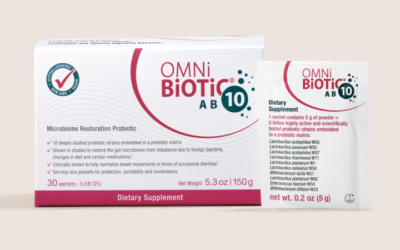
Omni-Biotic Human clinical trials demonstrate that functionally targeted Omni-Biotic AB 10 prevents diarrhea, reduces C. difficile risk, and eliminates multidrug resistant organism colonization in the gut. Introduction Antibiotics are among the most...

Robert Sheaff, PhD, and Ian Mitchell This study investigated whether quantum field exposure generated by Leela Quantum Bloc Technology influences cell recovery rates in human cell lines. A series of double-blind experiments were conducted using Human Dermal...

ClarityTx, a healthcare technology company, announced the launch of its clinical decision-support platform designed specifically for integrative and functional medicine practitioners. Created by a multidisciplinary team of clinicians, the platform helps practitioners...
Colleen Huber, NMD April 9 2026 The following is a comparison of my conventional medical education and subsequent naturopathic medical education. I wrote this in 2015, and now update it in April 2026, only with updated curriculum links and screenshots from the various...