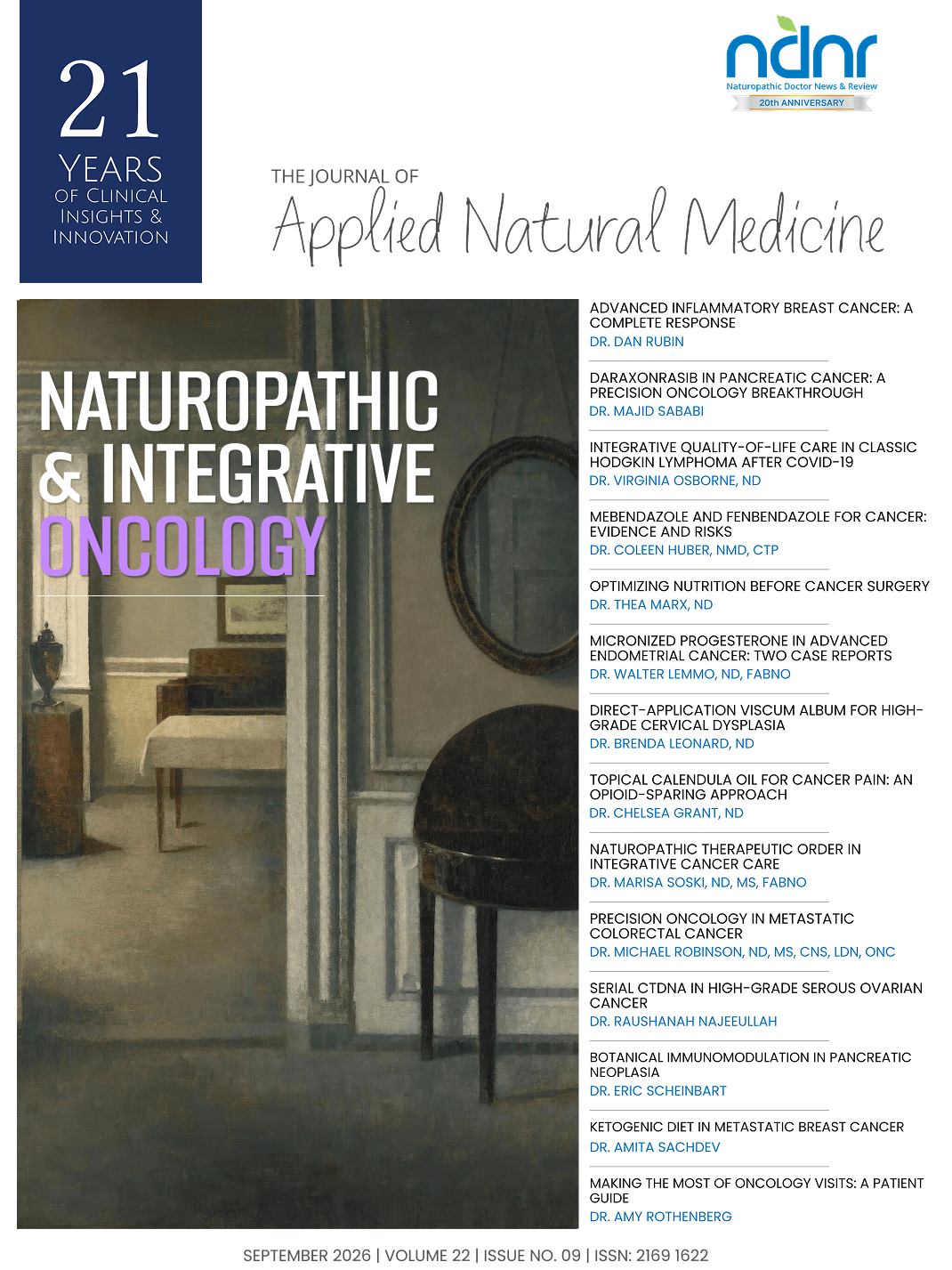

An...
Tracking Plaque—Get With IT!: An Interview With Marc Penn, MD, PhD
read more



An Interview With Marc Penn, MD, PhD, Cleveland HeartLab Mark Swanson, ND In diagnostic testing circles, Cleveland HeartLab (CHL) is “IT.” Opened in 2010, CHL is a cardiovascular specialty diagnostic laboratory that was spun out of the Cleveland Clinic (Cleveland,...
David Schleich, PhD Since the 1960’s, the influence of Ludwik Fleck has been rekindled, affecting naturopathic medicine along the way. The philosophy of medicine—what Foss (2002), Kuhn (1962), and others (Trenn and Merton, 1979) consider to be an emerging...
Stephen Parcell, ND Although it is tempting to write a lengthy article about all the naturopathic treatments for dyslipidemia, I have been tasked with just talking about the relatively new ones. For the purpose of this article, “new” means there are new data from...
Jeremy Mikolai, ND Martin Milner, ND The time has come for the formation of a naturopathic specialty society in cardiovascular medicine. We assert that forming a naturopathic cardiovascular specialty society (NCss) and board certification is necessary because it will...
Joseph Kellerstein, ND Vanessa is a bright and energetic massage therapist, who has had a history of suppressing her anger. On initial presentation, the conversation focused on her anxiety when driving and on multiple griefs in the previous year and a half. Vanessa...
Arcoma L. Gonzalez Lambert, ND A small consequence of urban sprawl is that interesting cases are brought to my doorstep. R.G., a 32-year-old man, was seen with chills, fatigue, and shortness of breath of about 1 week’s duration and was in no apparent distress. He was...
Robin DiPasquale, ND, RH (AHG) In the realm of herbal treatment for cardiovascular disease, certainly Crataegus oxyacantha, and other species of hawthorn, is the first plant medicine that comes to mind. Because it is a cardiac tonic, most patients with cardiovascular...
Cheryl Burdette, ND Various biomarkers are believed to be risk factors for cardiovascular disease. Some of these include high serum levels of total cholesterol, low-density lipoprotein cholesterol (LDL-C), and triglycerides, as well as low serum levels of high-density...
Blood Viscosity Earlier, More Accurate Prediction of Cardiovascular Event Risk.........................>> cover Pushpa Larsen, ND New Naturopathic Treatments for Dyslipidemia............................>> bottom of cover Stephen Parcell, ND The Clinical...
Practice Building James Maskell is CEO of Revive NYC Without patient compliance, a Naturopathic physician, no matter how honed their clinical skills, has virtually no chance of helping a patient get well. Whether it be drinking more water, remembering to take their...
Earthing Daniel Chong, ND What are the most basic, fundamental recommendations we can make to our patients when teaching them how to improve their health and prevent disease? Eat well. Exercise. Get more sleep. Sound familiar? That is what I learned in school. Some...
Dan Carter, ND This discussion will focus on the use of diet for the prevention and treatment of cardiovascular disease (CVD). Where possible, diet will be defined as whole foods, but specific supplements and processed postexercise recovery products may be used as...
WEB EXCLUSIVE Updated Data Regarding Pathogenesis and Implications for Natural Therapeutics Paul S. Anderson, ND Retinitis pigmentosa (RP) is a heterogeneous group of inherited retinal disorders that are characterized by progressive degeneration of the photoreceptors...
Aging Respiratory System Thomas A. Kruzel, ND The process of aging has essentially 4 characteristics: it is universal, intrinsic, progressive, and decremental. Few of the structural changes observed with aging are specifically characteristic of it because they are the...
Clinical Pearls Sussanna Czeranko, ND, BBE If you are hung up by the heels with the head in a bucket of water, that is one thing, but water-cure is a matter entirely different, so it may be of damp beds and wet clothing, compared with the wet sheet; the two are...
Childhood adversity may leave lasting physiological effects that extend beyond psychological symptoms. Through a case of a 19-year-old woman with persistent anxiety, OCD, emotional eating, and hyperandrogenic metabolic dysfunction, this article examines how neuroendocrine, metabolic, immune, nutritional, and gut-brain pathways may interact—and how a systems biology approach can complement conventional psychiatric care.
When an 8-month-old developed sudden distress whenever his mother left the room, the choice between Phosphorus and Pulsatilla initially appeared uncertain. Through direct observation, a previously overlooked response to physical touch became the defining symptom guiding a Phosphorus prescription, followed by reported improvement within one week.
For neurodivergent children, communication extends beyond spoken language. Through a composite pediatric case, this article explores how narrative medicine, creative expression, sensory-aware facilitation, and caregiver co-regulation can support emotional communication, self-advocacy, and connection in children with autism, ADHD, and related developmental differences.
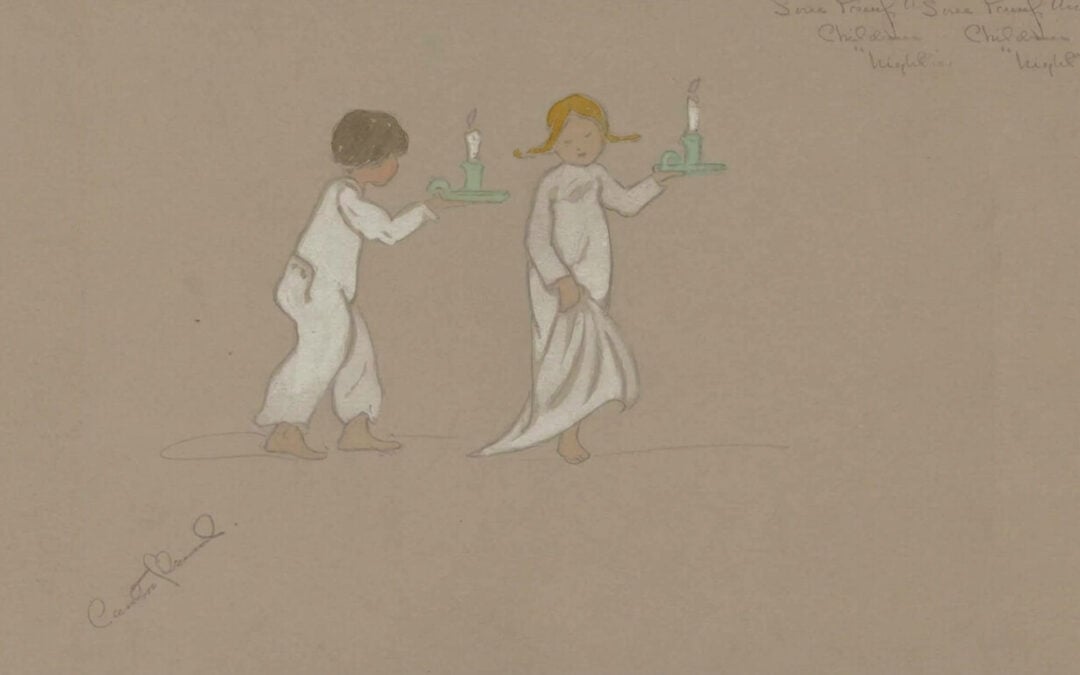
A young child with recurrent abdominal pain, bloating, constipation, sleep disturbances, and behavioral changes experienced repeated symptom improvement during integrative treatment targeting intestinal dysbiosis. This case examines the challenges of managing suspected Klebsiella-associated symptoms while navigating inconsistent treatment across two households, parental hesitation toward additional testing, and the possibility of an underlying inflammatory bowel disorder.
Medications may account for an estimated 20% of community- and hospital-acquired acute kidney injury, with risk amplified by CKD, older age, chronic disease, dehydration, and polypharmacy. This review examines the major mechanisms of drug-induced nephrotoxicity and practical strategies for medication review, hydration, renal monitoring, and prevention.
Low testosterone is consistently associated with adverse cardiovascular outcomes, but whether it is a cause of vascular disease or a marker of underlying metabolic and inflammatory dysfunction remains unresolved. This review examines the epidemiology, vascular mechanisms, hypertension and atherosclerosis data, TRAVERSE findings, and the cardiovascular implications of TRT-induced erythrocytosis.
Could overlooked pain-medication use provide an important clue in male infertility? This case follows a 40-year-old man with oligoasthenoteratozoospermia whose total motile sperm count increased from 2.72 million to 26.5 million over 111 days following analgesic discontinuation and a multicomponent integrative fertility plan.
Cardiovascular risk extends beyond LDL cholesterol and the standard lipid panel. This review explores how plaque biology, inflammation, oxidation, metabolic and hormonal health, advanced biomarkers, CGM, and cardiovascular imaging can complement established therapies to create a more individualized approach to cardiovascular risk assessment in men.
Approximately 1 in 10 fathers experience a perinatal mood or anxiety disorder, yet paternal PMADs remain frequently overlooked. This review explores the hormonal and psychosocial changes accompanying fatherhood and their implications for recognizing, screening, and supporting paternal mental health.
Can curcumin and artesunate play a role in integrative prostate cancer care? This two-patient case series examines PSA trajectories and pathology during an oral botanical protocol incorporating curcumin and artesunate, while highlighting potential mechanisms, iron-related adverse effects, and the need for further clinical investigation.
Suzetrigine introduces a novel mechanism for treating moderate to severe acute pain by selectively inhibiting NaV1.8 channels on peripheral nociceptors. This review examines its mechanism, clinical efficacy, safety, and potential role within multimodal naturopathic and integrative pain management.
Active surveillance does not have to mean simply “watching and waiting.” This case follows a man with localized intermediate-risk prostate cancer over approximately 20 months, integrating conventional oncologic monitoring with serial assessment and individualized management of metabolic health, inflammation, gastrointestinal dysbiosis, environmental exposures, nutrition, and lifestyle.
The 2026 American Association of Naturopathic Physicians (AANP) Convention arrived in Madison, Wisconsin, under unusual skies. Wildfire smoke had drifted across the region, leaving the city enveloped in smoke and fog as naturopathic physicians, students, educators,...
Daraxonrasib is reshaping the therapeutic landscape of RAS-driven pancreatic cancer and raising new considerations for integrative clinicians. This article explores pan-RAS inhibition alongside practical strategies for nutrition, exercise, symptom management, and careful evaluation of botanical and nutrient interactions within a precision integrative oncology framework.
This case follows a 44-year-old woman with inflammatory breast cancer that progressed to osseous metastatic disease and was managed through a multimodal naturopathic, immune-directed, and conventional oncology strategy. Serial imaging and molecular surveillance ultimately demonstrated complete metabolic response, zero circulating tumor cells, and repeatedly undetectable ctDNA, highlighting the potential value of adaptive, interdisciplinary integrative oncology care.
Can a ketogenic diet play a supportive role during treatment for advanced breast cancer? This case follows a 34-year-old woman with metastatic HER2-positive breast cancer who adopted a ketogenic diet and broader lifestyle changes alongside chemotherapy and HER2-targeted therapy, while examining the evolving evidence, potential metabolic benefits, and limitations of ketogenic diets in cancer care.
Cancer care can be complex and overwhelming, but preparation can make medical appointments more productive and less stressful. This practical checklist offers 18 strategies to help patients communicate effectively with providers, organize their care, explore treatment options, and build a collaborative medical “dream team.”
Can botanical immunomodulation play a supportive role in patients with pancreatic neoplasia? This case report describes the clinical course of a patient who declined surgery, chemotherapy, and radiation and pursued a physician-directed botanical regimen alongside nutrition, exercise, meditation, and other lifestyle measures, with subsequent imaging reportedly demonstrating stabilization followed by reduction in lesion size.
Serial ctDNA testing provided an evolving molecular picture of advanced ovarian cancer, helping inform treatment decisions as the patient moved between naturopathic and conventional care. This case illustrates how multiple liquid-biopsy platforms can complement CA-125 while adding molecular detail relevant to treatment response and progression.
Essential oils contain complex compounds with antimicrobial, antibiofilm, anti-inflammatory, and other biological activities. Dr. Sarah LoBisco explores how essential oil chemistry, formulation, and route of administration inform targeted applications for microbiome balance across the gastrointestinal, respiratory, and urinary systems.
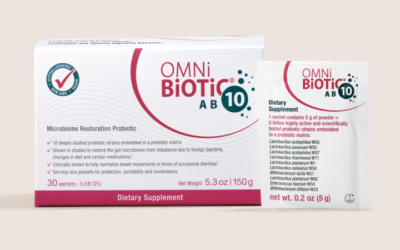
Omni-Biotic Human clinical trials demonstrate that functionally targeted Omni-Biotic AB 10 prevents diarrhea, reduces C. difficile risk, and eliminates multidrug resistant organism colonization in the gut. Introduction Antibiotics are among the most...

Robert Sheaff, PhD, and Ian Mitchell This study investigated whether quantum field exposure generated by Leela Quantum Bloc Technology influences cell recovery rates in human cell lines. A series of double-blind experiments were conducted using Human Dermal...
ClarityTx, a healthcare technology company, announced the launch of its clinical decision-support platform designed specifically for integrative and functional medicine practitioners. Created by a multidisciplinary team of clinicians, the platform helps practitioners...
Colleen Huber, NMD April 9 2026 The following is a comparison of my conventional medical education and subsequent naturopathic medical education. I wrote this in 2015, and now update it in April 2026, only with updated curriculum links and screenshots from the various...