

How...
Care Beyond the Cure: An Integrative Approach to Palliative Care
read more


Cancer care can be complex and overwhelming, but preparation can make medical appointments more productive and less stressful. This practical checklist offers 18 strategies to help patients communicate effectively with providers, organize their care, explore treatment options, and build a collaborative medical “dream team.”
Can botanical immunomodulation play a supportive role in patients with pancreatic neoplasia? This case report describes the clinical course of a patient who declined surgery, chemotherapy, and radiation and pursued a physician-directed botanical regimen alongside nutrition, exercise, meditation, and other lifestyle measures, with subsequent imaging reportedly demonstrating stabilization followed by reduction in lesion size.
Serial ctDNA testing provided an evolving molecular picture of advanced ovarian cancer, helping inform treatment decisions as the patient moved between naturopathic and conventional care. This case illustrates how multiple liquid-biopsy platforms can complement CA-125 while adding molecular detail relevant to treatment response and progression.
How can precision oncology move beyond simply matching a mutation to a drug? Through a case of KRAS G13D metastatic colorectal cancer, this article demonstrates how serial molecular profiling can help clinicians interpret tumor evolution and integrate genomics with metabolism, nutrition, immune-directed strategies, natural medicines, repurposed pharmaceuticals, and conventional oncology.
How can naturopathic therapies be thoughtfully integrated across the continuum of cancer care? This article applies the Naturopathic Therapeutic Order to oncology, illustrating through a breast cancer case how foundational care, self-healing strategies, system support, symptom management, and conventional treatments can be organized within a comprehensive integrative approach.

Discover how a 48-year-old woman overcame chronic insomnia, fatigue, and cognitive decline during menopause through a personalized, brain-first, hormone-balancing approach. Stephanie Yang, ND Abstract Menopause is not only a hormonal milestone but also a neurological...
JAKE F. FELICE, ND, LMP Sleep is a dynamic and essential activity that involves a multitude of physiologic processes. Proper sleep assists the body with tissue repair, immune maintenance, memory storage, appetite, blood sugar control, blood...
Student Scholarship – 3rd Place Case Study Lana FerrisJennifer Brusewitz, ND As naturopathic physicians, we understand that quality sleep is foundational to our patients’ well-being. Many patients suffer from comorbid conditions that interfere with...
Nature Cure Clinical Pearls Jared L. Zeff, ND, VNMI, LAc The following is a not an article prepared for a medical journal. Not every statement of fact is cited or referenced. This is a commentary on the medicine, a running set of observations about practice in the...
The Vital Conversation James Sensenig, ND This is the third part of a 3-part article from The Vital Conversation that took place on June 22, 2016. It is part of a new series of articles in NDNR that is based on transcripts of conversations that occurred on Wednesdays...
Education David J. Schleich, PhD We’ve been sparring with the biomedicine industry all along the professional formation continuum (education, research, licensing) for a very long time. We have also been joining some aspects of the mainstream’s strategies for a...
Regenerative Medicine Fred G. Arnold, DC, NMD Platelet-Rich Plasma (PRP) is the third topic in my series about regenerative medicine treatments for painful musculoskeletal conditions. This regenerative injection procedure was originally used in 1987 following...
Tolle Causam Lauren Tessier, ND Illness resulting from mold and mycotoxin exposure is gaining more traction and attention. As the paradigm shift occurs, mold and mycotoxin-induced illness (MMII) should be brought to the forefront of clinical education, both in school...
Naturopathic Perspective Saul Marcus, ND Mitragyna speciosa (common name, kratom) is an herb from Southeast Asia. Traditionally, it has been used by workers to help them have more stamina during long workdays. A tea would be brewed from leaves, and consumed throughout...

After imaging failed to reveal a significant structural explanation for severe recurrent abdominal pain, attention shifted toward chronic stress, body image, and the mind-body connection. This case explores the patient’s experience with craniosacral therapy and integrative care as her relationship with her body changed and her abdominal pain ultimately resolved.
Medications may account for an estimated 20% of community- and hospital-acquired acute kidney injury, with risk amplified by CKD, older age, chronic disease, dehydration, and polypharmacy. This review examines the major mechanisms of drug-induced nephrotoxicity and practical strategies for medication review, hydration, renal monitoring, and prevention.
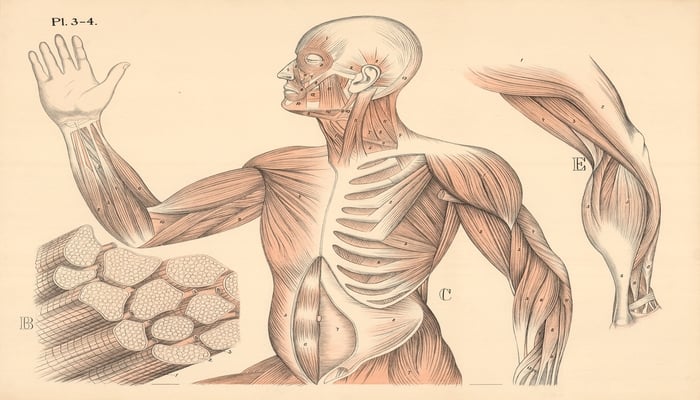
Low testosterone is consistently associated with adverse cardiovascular outcomes, but whether it is a cause of vascular disease or a marker of underlying metabolic and inflammatory dysfunction remains unresolved. This review examines the epidemiology, vascular mechanisms, hypertension and atherosclerosis data, TRAVERSE findings, and the cardiovascular implications of TRT-induced erythrocytosis.
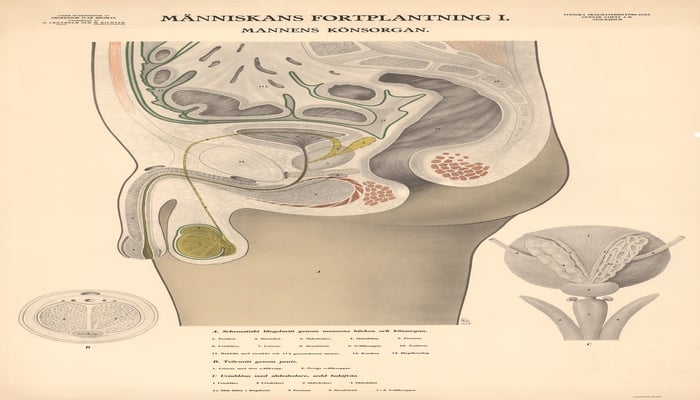
Could overlooked pain-medication use provide an important clue in male infertility? This case follows a 40-year-old man with oligoasthenoteratozoospermia whose total motile sperm count increased from 2.72 million to 26.5 million over 111 days following analgesic discontinuation and a multicomponent integrative fertility plan.
Jaquel Patterson, ND, MBA, FMCP-M Emerging research links pathogens such as Epstein-Barr virus, SARS-CoV-2, Lyme disease, and other infections to autoimmune disease through molecular mimicry, chronic inflammation, and immune...
Saied Mushtagh, ND Patients with paresthesias and nonspecific white matter hyperintensities often present diagnostic challenges when imaging is inconclusive for multiple sclerosis. This review examines differential diagnosis, neurologic risk stratification, and...
Andrea Sulyok, ND Can patients with Hashimoto's thyroiditis experience persistent cognitive symptoms despite normal thyroid hormone levels? This article examines the potential roles of thyroid antibodies, tissue-level T3 activity, and objective brain...
Fatima Hamade, PharmD, BCACP This case report explores the use of compounded low-dose naltrexone (LDN) as an adjunctive therapy for persistent autoimmune symptoms, highlighting its proposed immunomodulatory mechanisms, individualized dosing strategies, and the...
ClarityTx, a healthcare technology company, announced the launch of its clinical decision-support platform designed specifically for integrative and functional medicine practitioners. Created by a multidisciplinary team of clinicians, the platform helps practitioners...
Wiet van Helmond, Classical Homeopath Drawing from decades of clinical experience and a representative case study, this article explores how mitochondrial dysfunction, chronic inflammation, post-viral illness, psychosocial stress, and individualized homeopathic...
Heidi Klessig MD This commentary explores ongoing debates surrounding the concept of brain death, reviewing historical definitions, legal standards, published case reports, and ethical questions regarding informed consent and organ donation. Is brain death...
Jack Duke, ND Type 2 diabetes develops over years of progressive metabolic dysfunction. This article reviews the pathophysiology of insulin resistance, highlights strategies for early detection, and presents practice-based outcomes from a 12-week naturopathic...
Majid Michael Sababi, ND, DC, MS, MD*, MUAc, ABDA This article explores how rhythmic breathing, mental time-reversal visualization, and psychoneuroimmunology may influence autonomic regulation, stress physiology, and telomere biology to support healthy aging...
Eric Dorninger, ND, Lac Emerging evidence suggests that Chronic Inflammatory Response Syndrome (CIRS) caused by exposure to water-damaged buildings may contribute to neuroinflammation, Parkinsonian symptoms, and potentially modifiable pathways of...
Physicians assessed that 58 of 67 patients on oral essential oil capsules had avoided antibiotics, and 89 percent of those patients would use the capsules again for their next sore throat. Patients with acute sore throat obtained symptom relief from five days...
Colleen Huber, NMD April 9 2026 The following is a comparison of my conventional medical education and subsequent naturopathic medical education. I wrote this in 2015, and now update it in April 2026, only with updated curriculum links and screenshots from the various...
On the Shannon Joy radio show, Razi traced the history of medical education and the naturopathic medicine profession, and she examined the recent veto of the Florida naturopathic licensure bill, CS/SB 688. She explained how the Flexner Report and the funding...
Glenn B. Gero, ND, DSc, M.E.S., R.H. (AHG), EndoANP Kareem Kandil, MD, ND A case study demonstrating how a simple occupational history uncovered chronic heavy metal exposure as a likely contributor to severe hypogonadism, highlighting the critical role of...
Dr. Valerie Gettings, NMD A case report exploring how low-dose tirzepatide improved insulin resistance, thyroid function, and thyroid autoantibody levels in a patient with Hashimoto’s thyroiditis, highlighting the emerging role of metabolic therapies in...

Joseph Thomas, MD, MBA, Fellow of Metabolic and Nutritional Medicine In collaboration with Oxygen Health Systems Abstract Hyperbaric oxygen therapy has gained traction as an adjunct in sports medicine, particularly in concussion management and musculoskeletal injury....

Quantum Fields and Frequency Medicine A Conversation with Philipp Samor von Holtzendorff Fehling on Remote Quantum Technology and Human Performance Interest in frequency medicine and subtle energy technologies continues to grow within integrative and naturopathic...
Blair E, Miller A, McDonald R. Introduction: NAD+ is a critical coenzyme for cellular energy production, DNA repair, and sirtuin activity, with levels known to decline with age. While oral NAD+ supplementation is proposed for healthy aging benefits, its efficacy in...
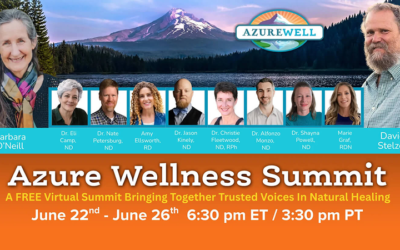
Building a Community of Practitioners to Inspire Healthier Families June 22–26 Five Day Virtual Event of Education, Insight, and Whole-Person Wellness AzureWell is pleased to announce the Azure Wellness Summit, a free five-day virtual event taking place June...

Northwestern Health Sciences University (NWHSU) is proud to announce the launch of its new Doctor of Clinical Nutrition (DCN) in Functional and Integrative Nutrition– a practice-focused doctoral degree designed for nutrition and healthcare professionals ready to...