

How...
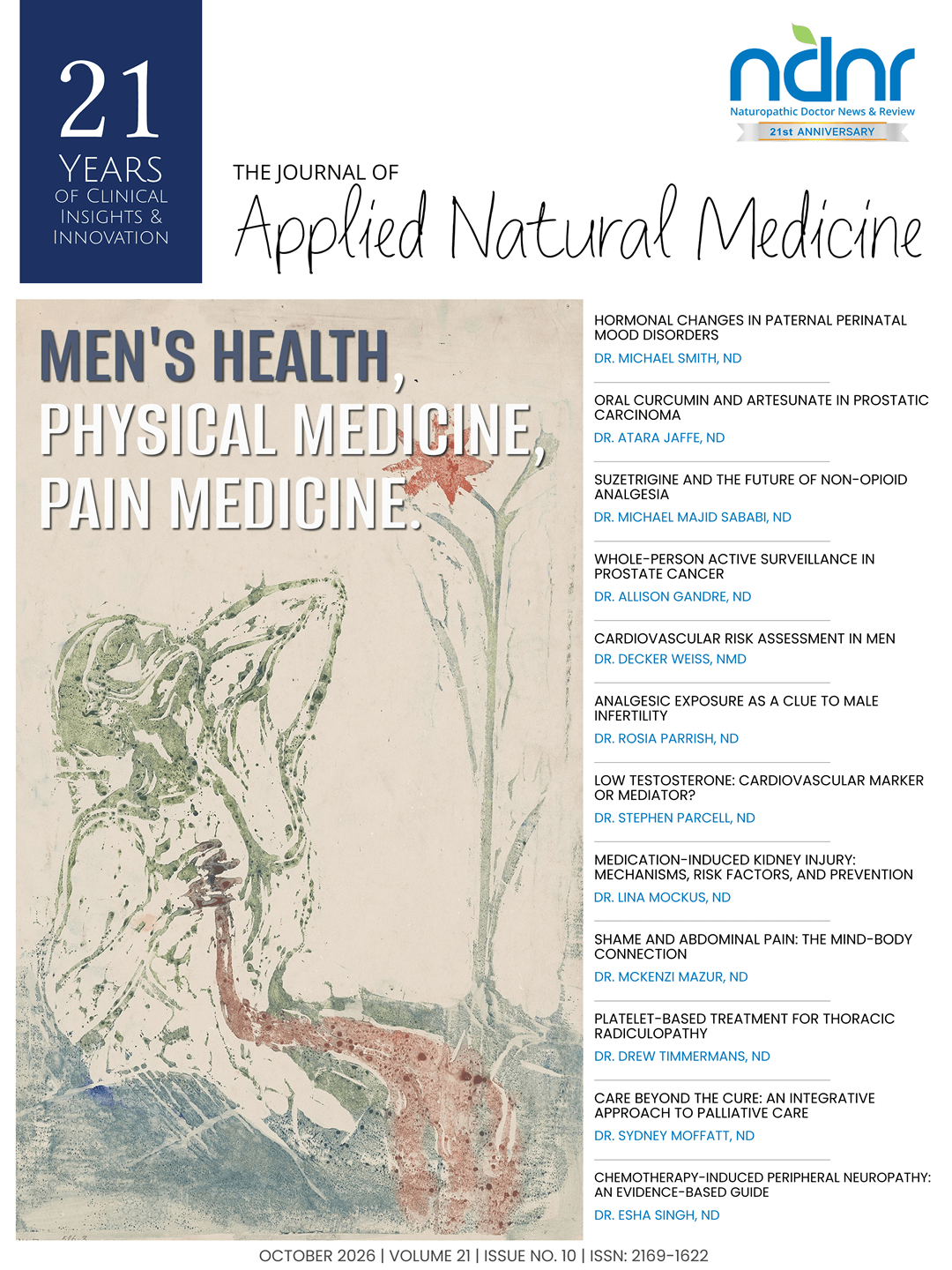
Care Beyond the Cure: An Integrative Approach to Palliative Care
read more
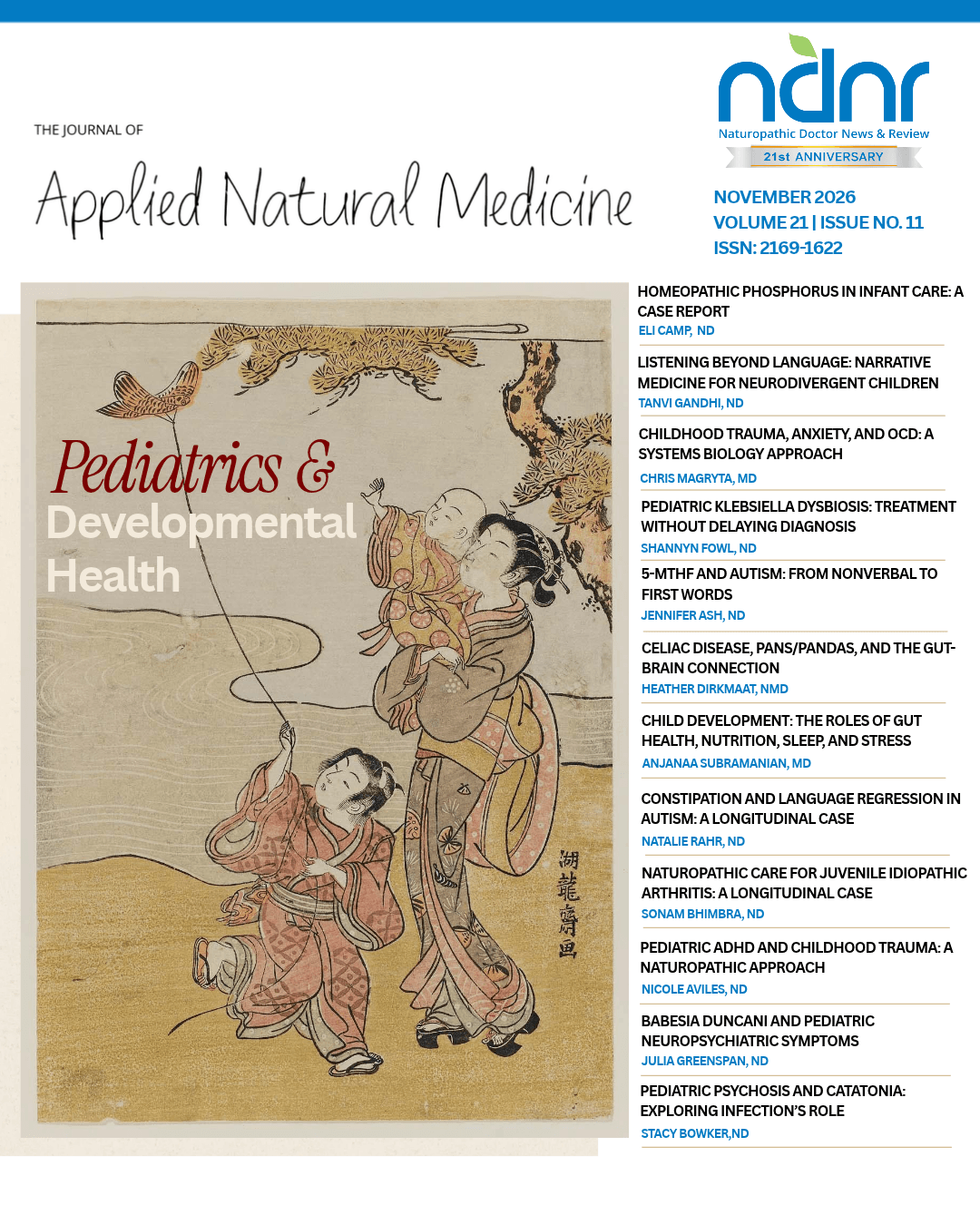
After years of speech-language and occupational therapy without functional spoken language, an 8-year-old boy with autism began vocalizing and spontaneously spoke a meaningful word approximately two weeks after starting 5-MTHF supplementation. This case examines the temporal association, potential relevance of folate-dependent pathways, and the need for further research into communication outcomes in minimally verbal autistic children.
An 11-year-old boy with celiac disease experienced recurrent hallucinations, night terrors, aggression, and profound behavioral changes requiring multiple hospitalizations. This case explores the suspected relationship between infections, gastrointestinal disturbances, immune responses, and neuropsychiatric symptoms, including reported improvements following dietary modifications and microbiome-directed interventions.
Healthy child development depends on more than genetics alone. This review examines how gastrointestinal health, nutritional adequacy, sleep quality, and stress physiology contribute to the developing nervous system, offering naturopathic clinicians a practical framework for identifying modifiable factors that support growth, learning, and emotional well-being.
The page you requested could not be found. Try refining your search, or use the navigation above to locate the post.


An 11-year-old boy with celiac disease experienced recurrent hallucinations, night terrors, aggression, and profound behavioral changes requiring multiple hospitalizations. This case explores the suspected relationship between infections, gastrointestinal disturbances, immune responses, and neuropsychiatric symptoms, including reported improvements following dietary modifications and microbiome-directed interventions.

Healthy child development depends on more than genetics alone. This review examines how gastrointestinal health, nutritional adequacy, sleep quality, and stress physiology contribute to the developing nervous system, offering naturopathic clinicians a practical framework for identifying modifiable factors that support growth, learning, and emotional well-being.

In a child with autism, recurrent constipation consistently preceded episodes of behavioral dysregulation or loss of previously functional language. Through years of symptom tracking, laboratory assessment, and individualized treatment, this case explores two distinct clinical patterns potentially involving the gut-brain axis, with reported improvements following antifungal and antibacterial interventions.

After nearly five years without reported symptoms, a 14-year-old girl with juvenile idiopathic arthritis experienced a recurrence of joint pain, fatigue, gastrointestinal complaints, and reduced mobility. This longitudinal case examines how individualized naturopathic care, guided by the principles of healing and supported by dietary, homeopathic, and lifestyle interventions, accompanied gradual improvement in symptoms and quality of life over eight months.
Can a ketogenic diet play a supportive role during treatment for advanced breast cancer? This case follows a 34-year-old woman with metastatic HER2-positive breast cancer who adopted a ketogenic diet and broader lifestyle changes alongside chemotherapy and HER2-targeted therapy, while examining the evolving evidence, potential metabolic benefits, and limitations of ketogenic diets in cancer care.
Cancer care can be complex and overwhelming, but preparation can make medical appointments more productive and less stressful. This practical checklist offers 18 strategies to help patients communicate effectively with providers, organize their care, explore treatment options, and build a collaborative medical “dream team.”
Can botanical immunomodulation play a supportive role in patients with pancreatic neoplasia? This case report describes the clinical course of a patient who declined surgery, chemotherapy, and radiation and pursued a physician-directed botanical regimen alongside nutrition, exercise, meditation, and other lifestyle measures, with subsequent imaging reportedly demonstrating stabilization followed by reduction in lesion size.
Serial ctDNA testing provided an evolving molecular picture of advanced ovarian cancer, helping inform treatment decisions as the patient moved between naturopathic and conventional care. This case illustrates how multiple liquid-biopsy platforms can complement CA-125 while adding molecular detail relevant to treatment response and progression.
How can precision oncology move beyond simply matching a mutation to a drug? Through a case of KRAS G13D metastatic colorectal cancer, this article demonstrates how serial molecular profiling can help clinicians interpret tumor evolution and integrate genomics with metabolism, nutrition, immune-directed strategies, natural medicines, repurposed pharmaceuticals, and conventional oncology.
How can naturopathic therapies be thoughtfully integrated across the continuum of cancer care? This article applies the Naturopathic Therapeutic Order to oncology, illustrating through a breast cancer case how foundational care, self-healing strategies, system support, symptom management, and conventional treatments can be organized within a comprehensive integrative approach.
Can topical calendula help manage severe cancer-related anal pain? This case report describes a rapid, sustained reduction in pain following topical Calendula officinalis oil in a patient with recurrent anal squamous cell carcinoma, highlighting its potential as a well-tolerated, opioid-sparing adjunct worthy of further clinical investigation.
This case report describes a novel protocol using direct cervical application of Viscum album in a patient with persistent high-grade cervical dysplasia who was awaiting LEEP. Although causality cannot be established, treatment was well tolerated and was followed by an unexpected absence of residual dysplasia on the excised specimen, supporting further investigation of localized Viscum album therapy as a potential adjunctive approach.
Could micronized progesterone have a broader role in supportive care for advanced endometrial cancer? These two case reports describe its integration primarily for sleep support in women with high-risk disease, alongside naturopathic and conventional oncology therapies, and discuss its potential hormonal and anticancer relevance as an area for further investigation.
Preoperative nutrition in cancer surgery is not a one-size-fits-all intervention. This article examines how tumor metabolism and malnutrition risk can guide protein intake, carbohydrate selection, immuno-nutrition, pancreatic enzyme support, and hydration strategies to better prepare oncology patients for surgery and recovery.
Mebendazole and fenbendazole have attracted attention as unconventional cancer therapies, but how strong is the clinical evidence supporting their use? This critical review examines proposed anticancer mechanisms, reported outcomes, potential neurotoxicity and drug resistance, and the importance of informed risk-benefit discussions with cancer patients.
This case report describes the treatment and recovery of a 45-year-old woman with Stage II Classic Hodgkin lymphoma diagnosed following COVID-19 infection. Alongside standard chemotherapy and immunotherapy, a structured integrative supportive care plan—including intravenous nutrient therapy, nutritional optimization, and restorative modalities—was implemented to reduce treatment-related toxicities, support immune resilience, and enhance long-term quality of life.
Jaquel Patterson, ND, MBA, FMCP-M Emerging research links pathogens such as Epstein-Barr virus, SARS-CoV-2, Lyme disease, and other infections to autoimmune disease through molecular mimicry, chronic inflammation, and immune...
Saied Mushtagh, ND Patients with paresthesias and nonspecific white matter hyperintensities often present diagnostic challenges when imaging is inconclusive for multiple sclerosis. This review examines differential diagnosis, neurologic risk stratification, and...
Andrea Sulyok, ND Can patients with Hashimoto's thyroiditis experience persistent cognitive symptoms despite normal thyroid hormone levels? This article examines the potential roles of thyroid antibodies, tissue-level T3 activity, and objective brain...

Joseph Thomas, MD, MBA, Fellow of Metabolic and Nutritional Medicine In collaboration with Oxygen Health Systems Abstract Hyperbaric oxygen therapy has gained traction as an adjunct in sports medicine, particularly in concussion management and musculoskeletal injury....

Quantum Fields and Frequency Medicine A Conversation with Philipp Samor von Holtzendorff Fehling on Remote Quantum Technology and Human Performance Interest in frequency medicine and subtle energy technologies continues to grow within integrative and naturopathic...
Blair E, Miller A, McDonald R. Introduction: NAD+ is a critical coenzyme for cellular energy production, DNA repair, and sirtuin activity, with levels known to decline with age. While oral NAD+ supplementation is proposed for healthy aging benefits, its efficacy in...

Building a Community of Practitioners to Inspire Healthier Families June 22–26 Five Day Virtual Event of Education, Insight, and Whole-Person Wellness AzureWell is pleased to announce the Azure Wellness Summit, a free five-day virtual event taking place June...

Northwestern Health Sciences University (NWHSU) is proud to announce the launch of its new Doctor of Clinical Nutrition (DCN) in Functional and Integrative Nutrition– a practice-focused doctoral degree designed for nutrition and healthcare professionals ready to...